Indoor Sports Clubs for Kids in the UK: After School Options for Rainy Evenings
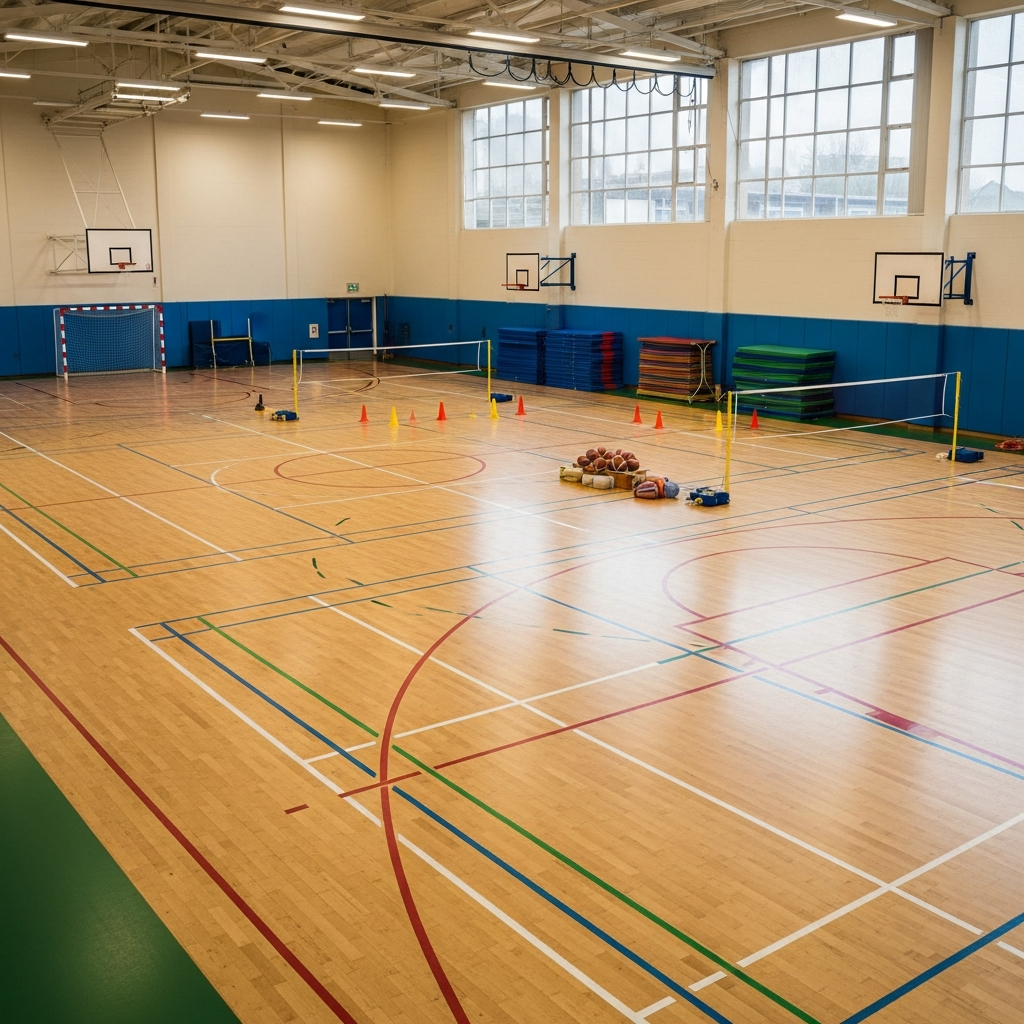
Indoor Sports Clubs for Kids in the UK: After School Options for Rainy Evenings
Rainy afternoons and dark winter evenings are a fact of life in the UK. For many parents, that means restless children, cancelled outdoor training and a scramble for after‑school childcare. Indoor sports clubs can be a brilliant solution: they keep children active, offer safe supervision, and build confidence and social skills – all while you finish work or the school run for siblings.
This guide is written specifically for UK parents who want real, practical advice – not glossy marketing. It focuses on:
- How to choose a safe, well‑run indoor sports club
- What Ofsted registration does (and doesn’t) guarantee
- Typical UK costs, contracts and hidden fees
- How clubs can support confidence, resilience and friendships
- What to look for if your child has SEND or medical needs
- Red flags that suggest a provider is cutting corners
Whether you’re in a London borough, a Scottish city, a Welsh town or a rural English village, the principles are the same – but there are local differences to be aware of. This guide walks you through them step by step.
1. What Counts as an Indoor Sports Club After School?
Indoor sports clubs cover a wide range of activities, from high‑energy team games to individual skill‑based sports. They may run on school premises straight after the bell, or in local leisure centres, church halls or community sports hubs.
1.1 Common Types of Indoor Sports Clubs in the UK
Some of the most common after‑school indoor sports options include:
- Indoor football / futsal – often in sports halls or 3G domes
- Basketball and netball – school sports halls, leisure centres
- Gymnastics – dedicated gyms or school halls with mats and apparatus
- Trampolining – trampoline parks or specialist gymnastics centres
- Martial arts – judo, karate, taekwondo, jiu‑jitsu, kickboxing
- Dance and movement – street dance, contemporary, cheer, ballet
- Indoor climbing / bouldering – climbing centres with auto‑belays
- Badminton, table tennis, squash – leisure centres, clubs
- Multi‑sports – a mix of games (dodgeball, uni‑hoc, handball, etc.)
- Indoor athletics / fitness circuits – speed, agility, strength games
Some wraparound care providers also include short sports sessions as part of a broader after‑school club. In those cases, you’ll want to check both the childcare standards and the sports coaching quality.
1.2 Why Indoor Sports Are Especially Valuable in the UK
Because of the UK climate and early winter darkness, indoor sports clubs can:
- Provide reliable activity when outdoor pitches are waterlogged
- Offer consistent routines for children who struggle with change
- Reduce the risk of seasonal inactivity and weight gain
- Support mental health by burning off energy after a long school day
- Give working parents predictable childcare regardless of weather
For many families, an indoor sports club is not just a hobby – it’s a key part of their weekly childcare and wellbeing plan.
2. Benefits Beyond Fitness: Why Indoor Sports Matter for Development
Indoor sports clubs are about far more than just exercise. When well‑run, they support whole‑child development.
2.1 Physical Benefits
- Improved coordination, balance and agility
- Better core strength and posture (especially from gymnastics, dance, martial arts)
- Development of fine and gross motor skills
- Support for healthy weight and cardiovascular fitness
- Practice in body awareness and safe movement in shared spaces
2.2 Emotional and Mental Health Benefits
- A safe outlet for stress and frustration after school
- Opportunities to experience success and mastery
- Building resilience – learning to cope with losing, trying again
- Support for self‑regulation (especially in martial arts and structured dance)
- A sense of belonging to a team or club community
2.3 Social and Communication Skills
- Learning to take turns, share equipment and follow rules
- Practising listening to instructions from adults other than parents/teachers
- Developing teamwork and leadership skills
- Making friends across year groups and sometimes across schools
- Learning to resolve minor conflicts in a supported environment
2.4 Academic and Life Skills
There’s good evidence that regular physical activity can support:
- Concentration and focus in class the next day
- Executive function – planning, working memory, impulse control
- Time management – getting changed, organising kit, being on time
- Goal‑setting – working towards badges, belts, competitions
When you visit a club, ask not just what they do, but how they support these wider skills.
3. Ofsted, Registration and Regulation: What Parents Need to Know
Regulation of after‑school sports in the UK can be confusing. Some clubs are Ofsted‑registered; others are not but are still legitimate. Understanding the framework helps you judge risk and quality.
3.1 When Does an Indoor Sports Club Need to Be Ofsted‑Registered?
In England, Ofsted registration is usually required when a provider:
- Cares for children under 8 for more than 2 hours a day, and
- Is not just providing a single activity but broader childcare, and
- Parents are not expected to stay on site.
Many single‑activity sports clubs (e.g. a one‑hour karate class) are exempt from registration, especially if they:
- Run for less than 2 hours, and
- Focus on coaching a specific sport, not general childcare.
However, some sports‑based wraparound care (e.g. 3–6pm multi‑sports with snacks and homework time) should be registered.
In Scotland, Wales and Northern Ireland, different regulators apply:
- Scotland – Care Inspectorate
- Wales – Care Inspectorate Wales (CIW)
- Northern Ireland – Health and Social Care Trusts
The principles are similar: longer‑duration childcare for younger children is more tightly regulated than short, single‑activity sessions.
3.2 What Ofsted Registration Does (and Doesn’t) Guarantee
Registration does mean:
- The provider has met minimum standards for safeguarding, ratios, premises and policies
- Staff have enhanced DBS checks and a designated safeguarding lead (DSL)
- There are procedures for health and safety, complaints and record‑keeping
- You can read inspection reports on the Ofsted website
Registration does not automatically mean:
- High‑quality sports coaching or technical expertise
- Excellent behaviour management or communication
- That every staff member is experienced with SEND
- That the club is the right fit for your child’s personality
For unregistered sports clubs, you’ll need to look more closely at:
- Governing body affiliation (e.g. British Gymnastics, England Basketball)
- Safeguarding policies and welfare officers
- Insurance, risk assessments and staff vetting
3.3 How to Check a Club’s Regulatory Status
- Ask directly: “Are you Ofsted‑registered or exempt? Under which category?”
- In England, search the Ofsted register using the club or provider name
- For sports clubs, check the relevant national governing body website for affiliated clubs
- For school‑based clubs, ask the school office how the partnership is managed
If a provider seems evasive or irritated by these questions, treat that as a red flag.
4. Staff Qualifications, Coaching Standards and Ratios
The quality of staff is often the single biggest factor in whether an indoor sports club is safe, enjoyable and developmental.
4.1 What Qualifications Should Staff Have?
Look for a mix of sports‑specific coaching qualifications and childcare/safeguarding training.
Sports‑specific examples (UK):
- FA / Football Association coaching badges (for futsal/indoor football)
- UK Coaching or sport‑specific Level 1/2 coaching awards
- British Gymnastics coaching qualifications
- British Judo / Karate / Taekwondo Council coaching awards
- Swim England (for pool‑based indoor clubs)
- UK Coaching Safeguarding and Protecting Children course
Childcare and safeguarding‑related training:
- Enhanced DBS checks for all staff and regular volunteers
- At least one Paediatric First Aid trained person on site at all times
- Designated Safeguarding Lead (DSL) with up‑to‑date training
- Awareness of Prevent Duty (in England) and local safeguarding procedures
For clubs running as wraparound childcare, you might also see:
- Level 2 or 3 Playwork or Childcare qualifications
- Experience in schools, nurseries or youth work
4.2 Appropriate Staff‑to‑Child Ratios
There is no single legal ratio for all sports clubs, but as a guide:
- 5–7 year olds: ideally 1:8 or better for indoor sports
- 8–11 year olds: 1:10–12 depending on activity risk
- 12+ years: can be slightly higher, but still needs clear supervision
For higher‑risk activities (trampolining, climbing, gymnastics apparatus), ratios should be tighter, and spotters or additional assistants may be needed.
Ask:
- “What are your maximum group sizes?”
- “How many adults are on the floor with the children?”
- “How do you adjust ratios for younger children or those with SEND?”
4.3 How to Judge Coaching Quality in Practice
During a trial session or visit, observe whether coaches:
- Explain rules clearly and check children understand
- Use positive reinforcement more than shouting or criticism
- Adapt activities for different ability levels
- Notice and respond to tiredness, frustration or anxiety
- Model respectful behaviour and calm conflict resolution
A good coach will be able to tell you what they’re working on developmentally, not just which game they’re playing.
5. Safeguarding, DBS and Safety in Indoor Sports Settings
Safeguarding in sports has rightly received more attention in recent years. Indoor environments bring specific risks – from changing rooms to equipment.
5.1 Safeguarding Basics Every Club Should Have
Regardless of registration status, a reputable club should be able to show you:
- A written safeguarding policy that is easy to understand
- A named Welfare Officer or Designated Safeguarding Lead
- Clear codes of conduct for staff, volunteers and participants
- Procedures for reporting concerns (including whistleblowing)
- A photography and social media policy
Ask to see these documents or for a summary. They should not be secretive.
5.2 DBS Checks and Supervision
- All regular staff and long‑term volunteers should have enhanced DBS checks (or PVG in Scotland, AccessNI in Northern Ireland)
- There should be no unsupervised one‑to‑one situations in closed rooms
- If one‑to‑one coaching is offered, it should be visible (e.g. in an open area) and agreed with parents
5.3 Physical Safety: Premises and Equipment
Indoor sports bring specific safety considerations:
- Flooring: non‑slip surfaces, mats where appropriate
- Equipment: regularly inspected, well‑maintained, age‑appropriate
- Space: enough room to move without constant collisions
- Emergency exits: clearly marked, unobstructed
- First aid: accessible kit and a clear accident reporting process
When you visit, look for risk assessments on display or available on request.
5.4 Changing Rooms and Toilets
This is a key concern for many parents, especially of younger children.
Ask:
- “How do you supervise changing rooms?”
- “Are there separate facilities for different age groups?”
- “What is your policy on staff entering changing areas?”
Good practice often includes:
- Staff not changing in the same area as children
- Clear rules about mobile phones in changing areas (usually banned)
- Younger children being allowed to change in a more supervised space if needed
6. Types of Indoor Sports Clubs: Pros, Cons and Fit for Your Child
Different sports suit different personalities, needs and family schedules. Here’s how to think about the main types.
6.1 High‑Energy Team Games (Indoor Football, Basketball, Netball)
Best for:
- Children who enjoy fast‑paced, social environments
- Those who like competition and clear rules
Pros:
- Strong teamwork and communication skills
- Lots of cardiovascular exercise
- Clear progression pathways into local leagues
Considerations:
- Can be overwhelming for anxious or quieter children
- Risk of cliques if teams are not well‑managed
- Need good behaviour management to prevent rough play
6.2 Individual Skill‑Based Sports (Gymnastics, Trampolining, Climbing)
Best for:
- Children who enjoy focused practice and personal goals
- Those who like structured routines
Pros:
- Builds body awareness, strength and flexibility
- Clear skill progression (badges, levels)
- Can suit children who find team dynamics stressful
Considerations:
- Higher injury risk if poorly supervised
- Can become intense or competitive at higher levels
- Waiting times between turns need good group management
6.3 Martial Arts and Combat Sports
Best for:
- Children needing support with self‑control and discipline
- Those who enjoy clear structures and rituals
Pros:
- Strong focus on respect, self‑discipline and focus
- Builds confidence and a sense of inner strength
- Often good with mixed ages and abilities
Considerations:
- Parents may worry about copying moves at home – ask how this is managed
- Need very clear safeguarding and contact rules
- Check for recognised governing body affiliation
6.4 Dance, Cheer and Movement‑Based Clubs
Best for:
- Children who enjoy music, rhythm and creativity
- Those who like performing or expressive movement
Pros:
- Builds coordination, rhythm and memory
- Supports body confidence when done sensitively
- Often strong peer support and friendships
Considerations:
- Watch for over‑focus on appearance or body shape
- Check costume expectations and additional costs
- Ask how they handle performance pressure and competitions
6.5 Multi‑Sports and Activity Clubs
Best for:
- Children who like variety or haven’t found their sport yet
- Younger children needing broad movement skills
Pros:
- Exposure to many different games and skills
- Less pressure to specialise early
- Good for general fitness and fun
Considerations:
- Coaching may be less in‑depth for any one sport
- Quality can vary widely between providers
- Check that activities are well‑planned, not just “free play”
7. UK Costs, Contracts and Hidden Fees
Indoor sports clubs vary widely in price depending on location, facilities and coaching level. Understanding the typical UK picture helps you spot both good value and unreasonable charges.
7.1 Typical Price Ranges (2024–2025, Approximate)
These are broad ballparks; London and the South East are often at the higher end.
- School‑based after‑school sports club (1–1.5 hours): £5–£10 per session
- Community leisure centre sports session: £4–£8 per session
- Specialist gymnastics / martial arts / dance school: £7–£15 per class
- Wraparound multi‑sports club (3–6pm, including snack): £12–£20 per session
Some clubs offer termly payments (e.g. £70–£120 per term) or monthly direct debits.
7.2 Hidden or Extra Costs to Ask About
Before you commit, ask explicitly about:
- Membership or joining fees
- Annual insurance or affiliation fees
- Kit or uniform (gi, leotards, club tops, shoes)
- Competition or grading fees (belts, badges, entry fees)
- Show costumes or performance tickets (for dance/cheer)
- Late collection charges (for wraparound clubs)
A transparent provider will give you a clear breakdown of likely costs across the year.
7.3 Discounts, Funding and Tax‑Free Childcare
Some indoor sports clubs, especially those offering wraparound care, may accept:
- Tax‑Free Childcare payments (England, Scotland, Wales, NI)
- Childcare Vouchers (closed to new applicants but still used by some families)
- Local authority schemes (e.g. HAF – Holiday Activities and Food, though mainly for holidays)
Ask:
- “Do you accept Tax‑Free Childcare or childcare vouchers?”
- “Do you offer sibling discounts or reduced fees for low‑income families?”
If they are Ofsted‑registered (or equivalent in devolved nations), they are more likely to be able to accept childcare schemes.
7.4 Contracts, Notice Periods and Refunds
Check the small print on:
- Notice periods (often 4–6 weeks)
- Refunds if your child is ill, injured or decides to stop
- What happens if sessions are cancelled (e.g. hall unavailable)
- Whether missed sessions can be made up on another day
Avoid providers who:
- Lock you into long contracts without a trial period
- Refuse to share terms and conditions in writing
8. What to Look For on a Club Visit or Trial Session
A short visit tells you far more than any website. Aim to observe a session in action if possible.
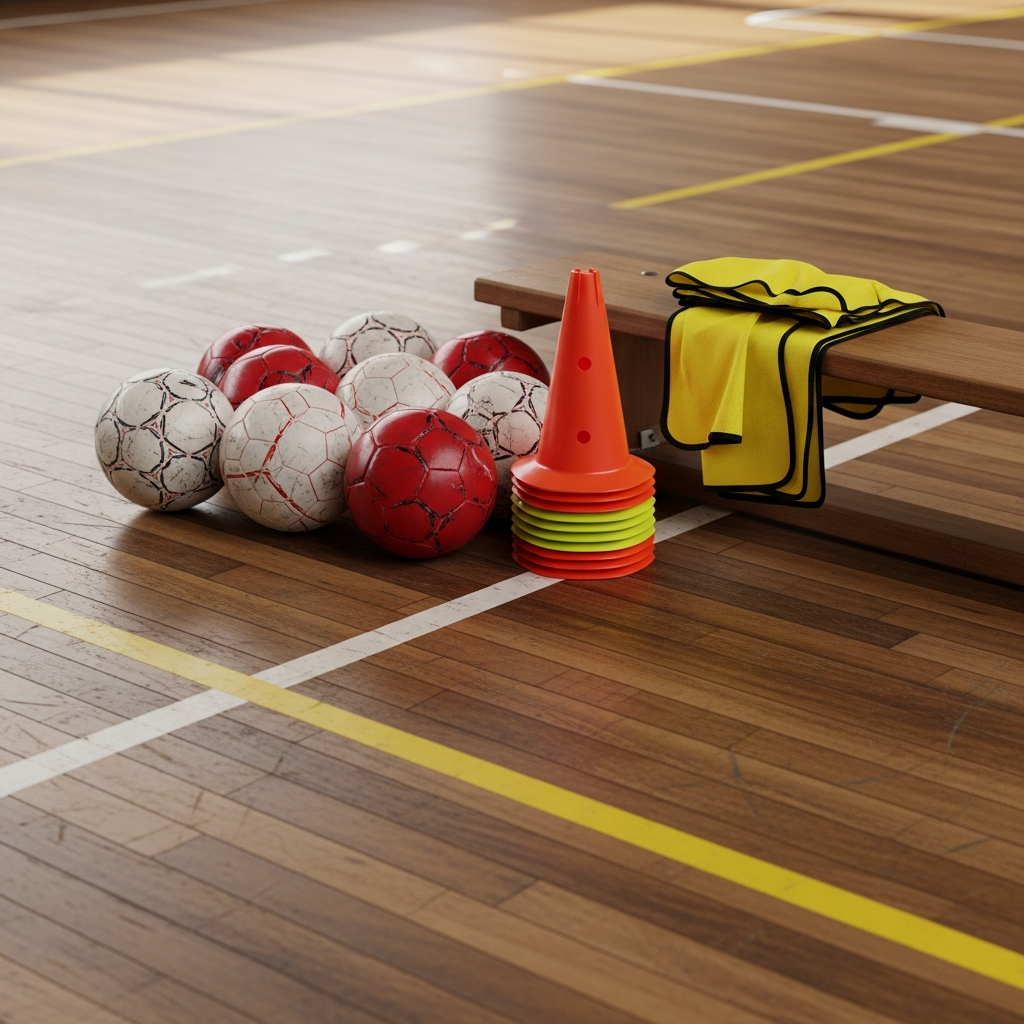
8.1 Practical Checklist for Your Visit
Use this as a quick reference while you’re there:
- Welcome and organisation
- Are you greeted and signed in?
- Do staff seem prepared and expecting your child?
- Environment
- Is the hall clean, well‑lit and free from obvious hazards?
- Is equipment stored safely when not in use?
- Staff behaviour
- Do adults speak to children with respect and warmth?
- Is there calm, consistent behaviour management?
- Children’s behaviour
- Do most children seem engaged and enjoying themselves?
- Are there clear routines for lining up, listening, transitioning between activities?
- Safety and supervision
- Are all areas of the hall visible to staff?
- Is there a clear process for toilet trips and handovers to parents?
8.2 Questions to Ask While You’re There
You don’t need to ask everything at once; choose what matters most to your family.
About safety and safeguarding
- Who is your Designated Safeguarding Lead?
- How do you vet and train your coaches and volunteers?
- What happens if my child has an accident or injury?
About coaching and behaviour
- How do you handle behaviour issues or bullying?
- How do you support children who are shy, anxious or new to the sport?
- How do you group children (by age, ability, school year)?
About communication and feedback
- How will you let me know about my child’s progress or concerns?
- Do you use apps, emails or paper letters for updates?
- Who should I speak to if I have a worry or complaint?
About SEND and medical needs
- Have you supported children with [your child’s condition] before?
- How do you manage medication, allergies or care plans?
- Are staff trained in [relevant medical or behavioural strategies]?
Take notes afterwards while it’s fresh in your mind.
9. Red Flags: When to Think Twice or Walk Away
Most clubs are run by people who genuinely care about children. But some cut corners or lack the skills to keep children safe and happy. Trust your instincts and watch for these warning signs.
9.1 Organisational Red Flags
- No written safeguarding policy or reluctance to share it
- Vague answers about DBS checks or staff training
- No clear sign‑in/sign‑out system for children
- Cash‑only payments with no receipts or paperwork
9.2 Behaviour and Culture Red Flags
- Staff shouting, humiliating or mocking children
- Children frequently left unsupervised in corners or corridors
- A culture of “toughening kids up” rather than supporting them
- Dismissive attitudes towards injuries or tears
9.3 Safety and Environment Red Flags
- Cluttered halls with trip hazards and poorly stored equipment
- No visible first aid kit or knowledge of where it is
- Emergency exits blocked or locked without explanation
- Overcrowded sessions with very high child‑to‑staff ratios
9.4 Administrative Red Flags
- Pressure to sign long contracts before a trial
- Refusal to provide terms and conditions in writing
- No clear policy on complaints or refunds
If you encounter several of these, it’s reasonable to look elsewhere.
10. Supporting Confidence, Resilience and Social Skills
One of the biggest reasons parents choose indoor sports is to help children build confidence and make friends. The way a club is run makes a huge difference.
10.1 How Good Clubs Build Confidence
Look for clubs where coaches:
- Set achievable challenges and celebrate small wins
- Use specific praise (“I like how you kept trying”) rather than vague “good job”
- Normalise mistakes as part of learning
- Offer roles of responsibility (e.g. equipment helper, team captain) to different children
Ask your child afterwards:
- “Did you feel the coach noticed you?”
- “Was there something you were proud of today?”
10.2 Helping Shy or Anxious Children Settle In
If your child is nervous:
- Ask if they can arrive a few minutes early to meet the coach
- Request a gradual start – maybe a shorter first session
- Ask if they can bring a friend or sibling initially
- Agree a signal they can use if they feel overwhelmed
A good club will be patient and avoid forcing children into the spotlight too quickly.
10.3 Social Skills and Friendship Building
Indoor sports can support:
- Turn‑taking and sharing equipment
- Negotiating rules and resolving minor disputes
- Encouraging teammates and coping with losing
Ask the club:
- How do you mix groups so new children are included?
- How do you handle friendship issues or exclusion?
If your child struggles socially, let the coach know discreetly so they can keep an eye out.
11. SEND Inclusion and Accessibility in Indoor Sports Clubs
Many children with special educational needs and disabilities (SEND) thrive in indoor sports – but only if clubs are genuinely inclusive.
11.1 What Inclusive Practice Looks Like
An inclusive club will:
- Ask about your child’s needs, triggers and strengths
- Be willing to adapt activities (e.g. smaller groups, quieter spaces)
- Use visual supports (pictures, demonstrations) as well as verbal instructions
- Allow movement breaks or a quiet corner if needed
- Work with parents, schools and therapists where appropriate
11.2 Questions to Ask About SEND
- Have you supported children with [autism/ADHD/physical disability/etc.] before?
- How do you adapt instructions for children who process information differently?
- Can my child have a familiar adult stay for the first few sessions?
- Are your facilities wheelchair accessible (entrance, toilets, viewing areas)?
11.3 Reasonable Adjustments and Legal Duties
Under the Equality Act 2010, clubs providing services to the public must make reasonable adjustments for disabled children. This might include:
- Allowing extra time to change or transition between activities
- Providing alternative equipment (e.g. lighter balls, visual timers)
- Adjusting noise levels or offering ear defenders
If a club refuses to consider any adjustments, that’s a concern.
11.4 Working with Schools and Local SEND Services
Some indoor sports clubs have strong links with:
- School SENCOs (Special Educational Needs Coordinators)
- Local short breaks or inclusive sports programmes
- Charities offering disability sports support
Ask if they have any partnerships or experience in this area.
12. Borough and Regional Differences Across the UK
Provision varies significantly between and within regions.
12.1 London Boroughs
- Wide range of specialist indoor facilities (climbing walls, gymnastics centres)
- Higher costs but often more choice
- Some boroughs offer subsidised places for low‑income families
- Travel time and public transport safety may be a factor
12.2 Other English Cities and Large Towns
- Good access to leisure centres and community sports hubs
- Mix of school‑based and club‑based provision
- Waiting lists for popular gymnastics and martial arts clubs
12.3 Rural Areas and Small Towns
- Fewer specialist facilities; more reliance on school halls and village halls
- Travel distances can be longer; consider lift‑sharing with other parents
- Clubs may be more community‑driven, with volunteers playing a big role
12.4 Scotland, Wales and Northern Ireland
- Different regulatory bodies for childcare, but similar safeguarding expectations
- Strong traditions in certain sports (e.g. rugby, shinty, indoor bowls) that may influence what’s available
- Local councils often publish directories of sports clubs on their websites
Wherever you are, your local authority website, Active Partnership (in England) or equivalent sports development team can be a good starting point.
13. Balancing Homework, Tiredness and After‑School Sport
Parents often worry about whether an after‑school sports club will leave children too tired or short of homework time.
13.1 Signs the Balance Is About Right
- Your child is tired but content after sessions
- They can still get up for school without major battles
- Homework is manageable across the week (even if not always on club days)
- They talk positively about the club most of the time
13.2 Signs Your Child May Be Overloaded
- Frequent meltdowns after club nights
- Ongoing sleep difficulties or early‑morning exhaustion
- Drop in school engagement or behaviour
- Complaints of stomach aches or headaches on club days
If you see these, consider:
- Reducing to one session a week
- Choosing a club that finishes earlier in the evening
- Asking school about homework flexibility on club days
13.3 Talking to Your Child About Commitment
Indoor sports often involve teams or groups who rely on each other. It’s reasonable to expect children to stick with a club for a term, unless there are serious issues.
Discuss:
- Why turning up regularly matters for the team
- How to raise concerns (with you or the coach) if they’re unhappy
- The difference between normal nerves and a club that isn’t a good fit
14. Working with Schools and Wraparound Providers
Many indoor sports clubs operate on school premises straight after the bell. These can be convenient, but you still need to check quality.
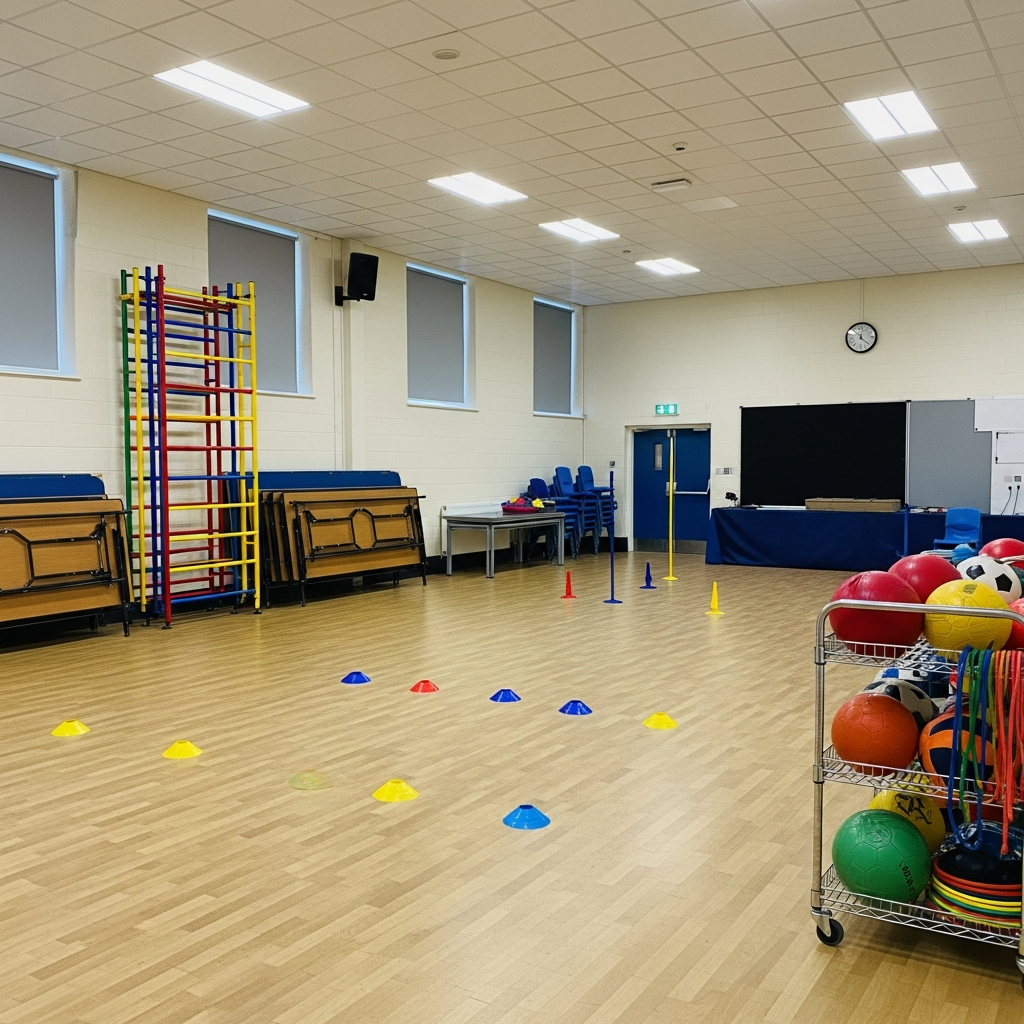
14.1 School‑Run vs External Provider
- School‑run clubs – led by teachers or TAs; covered by school’s safeguarding and risk assessments
- External providers – private companies or charities using school facilities
Ask the school:
- How do you vet external providers?
- Are they Ofsted‑registered (if applicable)?
- Who should I speak to if I have a concern about the club – the school or the provider?
14.2 Communication Between School and Club
Good practice includes:
- Sharing relevant medical and SEND information (with your consent)
- Clear handover from class teacher to club staff
- Agreed procedures if a child is absent or goes home early
If your child has an EHCP or individual support plan, ask how this will be shared and implemented in the club.
14.3 Transport to Off‑Site Clubs
If the club is off‑site (e.g. leisure centre):
- Check who is responsible for transport and at what point responsibility transfers
- Ask about walking routes, minibus safety or public transport arrangements
- Make sure your child knows exactly where to go after school
15. Practical Checklists for Parents
To make this easier, here are condensed checklists you can screenshot or print.
15.1 Pre‑Enrolment Checklist
- Clarified type of club (single sport vs multi‑sports vs wraparound)
- Checked Ofsted / regulatory status or governing body affiliation
- Confirmed staff qualifications, DBS and first aid
- Understood costs, contracts and notice periods
- Asked about safeguarding policy and welfare officer
- Discussed SEND or medical needs if relevant
- Booked a trial session or visit
15.2 Visit / Trial Session Observation Checklist
- Children appear safe, supervised and engaged
- Staff speak to children with respect and warmth
- Clear routines for start, transitions and finish
- Environment is clean, well‑lit and hazard‑free
- Equipment is well‑maintained and age‑appropriate
- Behaviour is managed calmly and consistently
- Your child leaves tired but mostly positive
15.3 Ongoing Review Checklist (After a Few Weeks)
- Your child is keen to attend most weeks
- Any initial worries have been listened to and addressed
- Communication from the club is clear and timely
- You feel comfortable raising questions or concerns
- You can see some development – skills, confidence, friendships
If several boxes remain unticked after a half‑term, it may be time to re‑evaluate.
16. Frequently Asked Parent Questions
16.1 Is an Indoor Sports Club Enough Exercise Each Week?
Public Health England recommends at least 60 minutes of moderate to vigorous physical activity per day for children. A 60–90 minute indoor sports session 2–3 times a week can make a big contribution, especially if combined with:
- Active play at break times
- Walking or cycling part of the school journey
- Weekend family activity
16.2 Should I Prioritise One Sport or Let My Child Try Lots?
For primary‑aged children, most experts recommend variety:
- Builds a broad base of movement skills n- Reduces risk of overuse injuries
- Helps children discover what they genuinely enjoy
Specialisation can come later, usually in early secondary if the child wants it.
16.3 What If My Child Wants to Quit Mid‑Term?
First, explore why:
- Bullying or friendship issues?
- Feeling out of their depth?
- Too tired or overscheduled?
Talk to the coach and see if adjustments can help. If the environment is genuinely unsuitable or unsafe, it’s reasonable to leave sooner, even if you lose some fees.
17. Bringing It All Together: Choosing the Right Indoor Sports Club
Indoor sports clubs can transform rainy UK evenings from a battle over screens into a time of movement, friendship and growth. The right club will feel safe, welcoming and well‑organised, with staff who see your child as an individual, not just a number on a register.
When deciding, focus on:
- Safety and safeguarding – clear policies, DBS checks, sensible ratios
- Coaching quality – qualified, child‑centred, positive staff
- Fit for your child – personality, energy levels, SEND needs
- Practicalities – cost, timing, travel, homework balance
Trust both the evidence you gather and your parental instincts. If something feels off, you are allowed to pause, ask more questions or walk away.
If you’d like to explore more options, use local authority directories, school recommendations and national governing body club finders to build a shortlist. With a bit of research up front, you can find an indoor sports club that keeps your child active, builds their confidence and gives you peace of mind on even the rainiest UK evenings.