How to Choose a Safe Gymnastics Club for Your 5–9 Year Old in the UK: A Parent’s Checklist
How to Choose a Safe Gymnastics Club for Your 5–9 Year Old in the UK: A Parent’s Checklist
Gymnastics can be brilliant for 5–9 year olds: strength, flexibility, focus, confidence and pure joy from learning new skills. But as a UK parent, you’re right to be cautious. Poorly run clubs, unqualified coaches or weak safeguarding can put children at risk physically and emotionally.
This guide is written specifically for UK parents evaluating after‑school gymnastics clubs. It focuses on safety, quality, value for money and long‑term development, not just who has the fanciest equipment.
Use it as a practical checklist before you sign up, when you visit a club, and during the first term.
1. First Decisions: What Type of Gymnastics Club Are You Looking At?
Before you dive into details, be clear what kind of club you’re dealing with. This affects regulation, safeguarding, costs and expectations.
1.1 Main types of gymnastics provision in the UK
You’ll typically see:
-
British Gymnastics (BG)–affiliated clubs
- Usually dedicated gymnastics clubs or sections within leisure centres.
- Follow BG policies on safeguarding, coaching standards and insurance.
- Often have competitive pathways as well as recreational classes.
-
School‑based after‑school gymnastics clubs
- Run on school premises, either by school staff or external providers.
- May or may not be BG‑affiliated.
- Safeguarding usually falls under the school’s policies, but external providers must still have their own.
-
Private multi‑sports or activity companies
- Offer gymnastics as one of several activities (e.g. holiday clubs, wraparound care).
- Quality can vary widely: some are excellent, others very basic.
- May be Ofsted‑registered if they provide childcare for 2+ hours a day.
-
Council leisure centre classes
- Often BG‑affiliated and run by local authority leisure services or contracted operators.
- Usually recreational, with clear progression levels.
1.2 Key questions to ask at the outset
Before you even visit, clarify:
-
Is the club affiliated to British Gymnastics?
If yes, they should follow BG’s safeguarding, coaching and insurance standards. -
Is it Ofsted‑registered?
Relevant mainly if it’s a wraparound or holiday club providing childcare for 2+ hours a day for under‑8s. Gymnastics‑only sessions of an hour or so are often not Ofsted‑registered, but should still have strong safeguarding. -
Is it mainly recreational or competitive?
For 5–9 year olds, most parents want recreational, fun, skills‑based sessions with optional progression. -
Where does it sit in your week?
- After school once a week?
- Part of wraparound care?
- Weekend club?
This affects your expectations around homework time, tea, tiredness and travel.
Having this context will help you interpret everything else you see and hear.
2. Safety First: What Does a Safe Gymnastics Environment Look Like?
For 5–9 year olds, safety is non‑negotiable. You’re looking for physical safety, emotional safety and safeguarding.
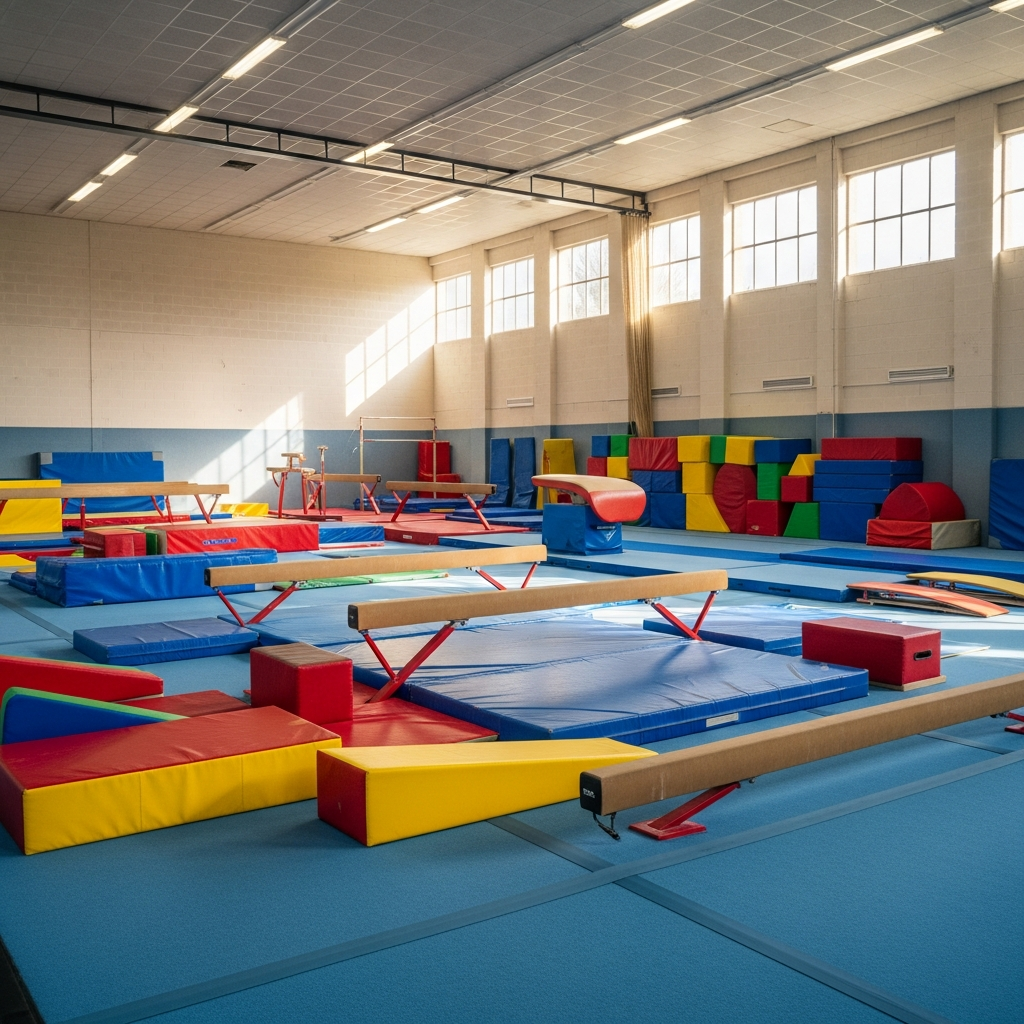
2.1 Physical environment checklist
When you visit, look carefully at the space:
-
Flooring
- Proper gymnastics floor or thick mats in good condition.
- No obvious rips, gaps, curling edges or trip hazards.
- Non‑slip surfaces around apparatus.
-
Apparatus condition
- Beams, bars, vaults and trampettes should look well‑maintained.
- No exposed metal edges, loose bolts, splintered wood or torn padding.
- Crash mats correctly positioned and not overly compressed.
-
Space and layout
- Clear walkways between apparatus.
- No clutter, bags or shoes on the floor where children move.
- Apparatus spaced so children aren’t swinging or jumping into each other.
-
Emergency arrangements
- Clearly marked fire exits, not blocked by equipment.
- First aid kit visible and stocked.
- At least one paediatric first aider present at every session.
-
Cleanliness and hygiene
- Floors and mats reasonably clean.
- Toilets accessible and suitable for young children.
- Handwashing or sanitiser available.
2.2 Supervision and ratios
For 5–9 year olds, you want high supervision and low ratios. There is no single legal ratio for all gymnastics, but good practice in UK clubs is typically:
- Around 1 coach to 6–8 children for beginners on floor and basic apparatus.
- Additional helpers (assistant coaches or volunteers) when using higher‑risk equipment like bars or vault.
Ask:
- “What are your typical coach‑to‑child ratios for this age group?”
- “How do you adjust ratios when you’re using higher apparatus?”
If you see one coach trying to manage 15+ young children on multiple pieces of equipment, that’s a concern.
2.3 Progressive skill teaching (no rushing)
A safe club will build skills gradually. For 5–9 year olds, you should see:
- Lots of basic shapes, rolls, balances, jumps before flips or somersaults.
- Coaches using spotting (physically supporting a child safely) when learning new skills.
- Children only moving to higher apparatus when they’ve mastered the basics on the floor or low equipment.
Red flag: a club that boasts about “backflips in a term” for 6‑year‑olds, or encourages risky moves for social media videos.
3. Safeguarding and Ofsted: What UK Parents Should Expect
Safeguarding is about protecting children from harm, abuse and neglect. In the UK, gymnastics clubs should follow clear safeguarding standards, even if they’re not Ofsted‑registered.
3.1 British Gymnastics safeguarding standards
If the club is British Gymnastics–affiliated, they must:
- Have a Welfare Officer (sometimes called a Club Welfare Officer or Safeguarding Officer).
- Follow BG’s Safeguarding and Protecting Children Policy.
- Ensure all coaches and regular volunteers have enhanced DBS checks.
- Provide safeguarding training for coaches.
Ask:
- “Are you affiliated to British Gymnastics?”
- “Who is your Welfare Officer and how can parents contact them?”
- “How often do staff renew their safeguarding training?”
3.2 Ofsted and childcare regulation
Ofsted registration depends on what the club is providing, not just the activity:
-
Likely to be Ofsted‑registered if:
- It’s a wraparound or holiday club providing childcare for more than 2 hours a day for under‑8s.
- Gymnastics is part of a broader childcare offer (snacks, homework time, free play).
-
Not usually Ofsted‑registered if:
- It’s a single‑activity sports club where parents drop off and pick up for a 45–90 minute session.
- It’s clearly a coached sports session rather than childcare.
If it is Ofsted‑registered, you can:
- Look up their Ofsted URN and inspection reports on the Ofsted website.
- Expect compliance with the EYFS safeguarding and welfare requirements (for under‑8s).
If it’s not Ofsted‑registered, you should still expect:
- Clear safeguarding policy.
- Named safeguarding lead.
- DBS checks and safeguarding training for staff.
- Safe recruitment processes.
3.3 Safeguarding red flags
Be cautious if:
- No one can tell you who the Welfare Officer or safeguarding lead is.
- Staff are vague about DBS checks (e.g. “I think we did them a while ago”).
- There’s no written safeguarding policy available on request.
- Staff dismiss your safeguarding questions as “over the top” or “unnecessary”.
4. Staff Qualifications and Experience: Who Should Be Teaching Your Child?
For 5–9 year olds, you want coaches who are qualified, experienced with young children, and supported by a strong club structure.
4.1 British Gymnastics coaching levels (overview)
BG has a structured coaching pathway. You don’t need to memorise it, but you should understand the basics:
-
Level 1 Assistant Coach
- Supports a more qualified coach.
- Should not run a session alone.
- Can help with basic skills under supervision.
-
Level 2 Coach
- Can plan and lead sessions independently.
- Qualified in a specific discipline (e.g. Women’s Artistic, Men’s Artistic, General Gymnastics, Trampoline).
- For a typical recreational class, you’d expect at least one Level 2 coach in charge.
-
Level 3+ (Senior/High‑level coaches)
- More advanced technical and planning skills.
- Often lead competitive squads or oversee recreational programmes.
Ask:
- “What level of British Gymnastics qualification does the lead coach for this age group hold?”
- “Are your assistant coaches qualified or in training?”
4.2 Experience with 5–9 year olds
A highly technical coach isn’t automatically good with young children. Look for:
- Calm, warm communication at child level.
- Ability to break skills down into simple steps.
- Patience with wobbles, nerves and short attention spans.
- Positive behaviour management (clear expectations, praise, gentle reminders).
You can ask:
- “How long have you been coaching this age group?”
- “What do you enjoy about working with 5–9 year olds?”
4.3 Other essential training
Beyond BG coaching levels, ask about:
- Enhanced DBS checks for all staff and regular volunteers.
- Safeguarding training (e.g. every 2–3 years as a minimum).
- Paediatric first aid – at least one person with this qualification present at all sessions.
- SEND awareness or inclusion training, especially if your child has additional needs.
If staff can’t answer clearly about their training, that’s a concern.
5. Ratios, Grouping and Individual Attention
How children are grouped and supervised makes a big difference to both safety and learning.
5.1 Age and ability grouping
For 5–9 year olds, good clubs usually:
- Group by age and broad ability (e.g. 5–6 beginners, 7–9 mixed ability).
- Avoid putting very young beginners with much older, advanced gymnasts.
- Review groupings each term based on progress and confidence.
Ask:
- “How do you group children in this age range?”
- “How often do you review groups and move children up?”
5.2 Ratios in practice
You’re looking for:
- Around 1:6–8 for this age group in recreational classes.
- Smaller groups or extra staff when using higher‑risk apparatus.
- Clear sightlines – coaches can see all children, not just the one on the apparatus.
Red flags:
- One coach trying to manage a large group across multiple stations.
- Children queuing unsupervised near high apparatus.
- Younger children wandering off because no one has noticed.
5.3 Individual feedback and progression
Even in group classes, your child should receive some individual attention:
- Coaches using your child’s name.
- Specific feedback (“Try to keep your legs straight”) rather than generic “Well done everyone”.
- Occasional check‑ins on how they’re feeling, especially if they look nervous.
If your child consistently feels invisible or ignored, it may not be the right environment.
6. What a High‑Quality Session Looks Like for 5–9 Year Olds
When you observe a class (or part of one), you’re looking for structure, safety and joy.
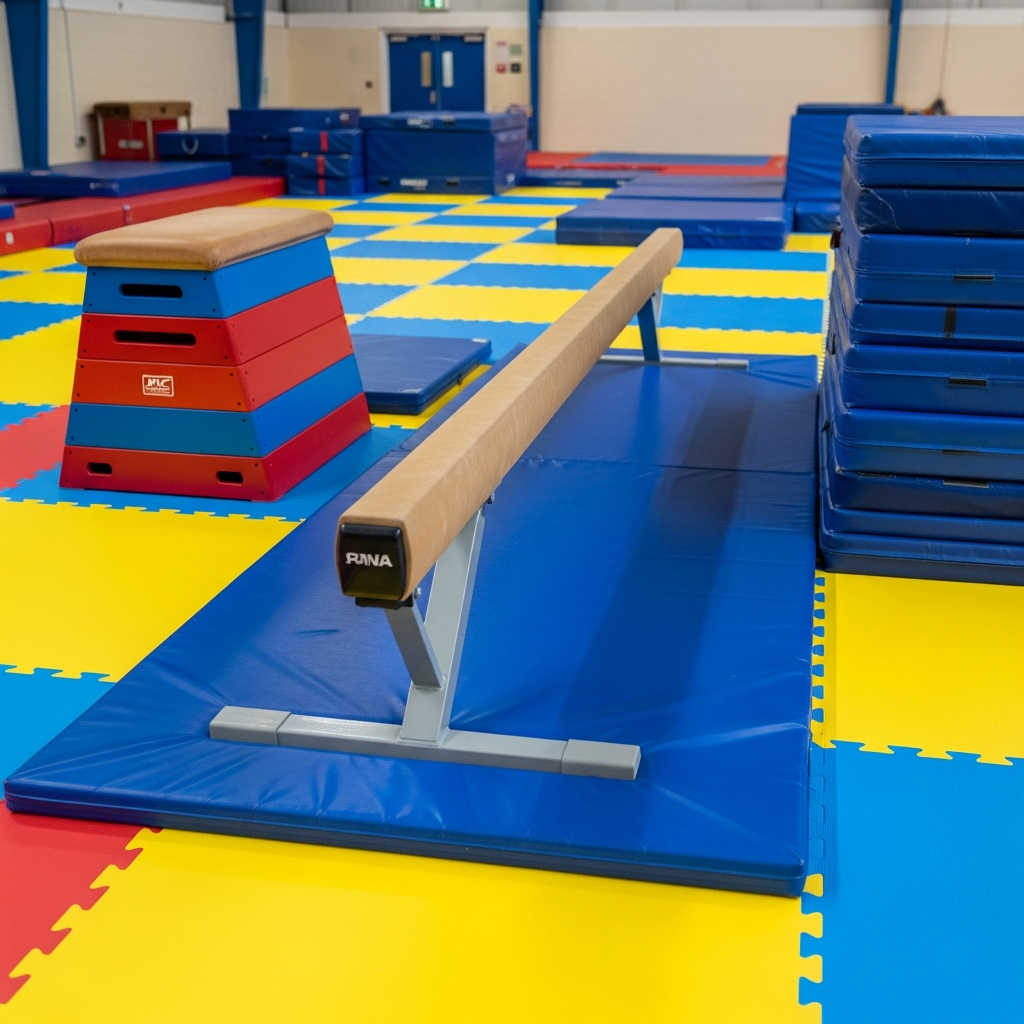
6.1 Typical session structure
A good recreational session for 5–9 year olds might look like:
-
Arrival and register (5 minutes)
- Children greeted by name.
- Quick check for injuries or issues.
-
Warm‑up (10–15 minutes)
- Fun, age‑appropriate games to raise heart rate.
- Dynamic stretches, basic shapes and movement patterns.
-
Main activity stations (25–35 minutes)
- Small groups rotating between 2–4 stations (e.g. floor, beam, vault, bars).
- Clear instructions at each station.
- Coaches demonstrating and spotting.
-
Cool‑down and stretch (5–10 minutes)
- Gentle stretching.
- Calm breathing or relaxation.
- Brief recap of what they’ve learned.
-
Goodbye and handover (5 minutes)
- Children released only to known adults.
- Quick feedback if needed (e.g. “She was a bit tired today but did really well on the beam”).
6.2 Coaching style and atmosphere
You want an atmosphere that is:
- Positive and encouraging – mistakes treated as part of learning.
- Calm but purposeful – not chaotic or shouty.
- Inclusive – all children engaged, not just the most talented.
Listen for:
- Clear, simple instructions.
- Praise that is specific (“Great straight arms on that cartwheel”) not just constant “Good job” with no substance.
- Coaches correcting unsafe technique kindly but firmly.
6.3 Behaviour management
At this age, some silliness is normal. Good clubs will:
- Set clear rules at the start (e.g. no running on mats, wait for your turn).
- Use positive reinforcement (praise, stickers, star charts).
- Have a stepped approach for persistent unsafe behaviour (reminder → short time out → conversation with parent).
Red flags:
- Coaches shouting aggressively or humiliating children.
- Children regularly running wild with no boundaries.
- Unsafe behaviour (pushing, climbing unsupervised) not addressed.
7. Confidence, Resilience and Social Skills: Beyond Cartwheels
A good gymnastics club is not just about physical skills. It should support your child’s emotional and social development.
7.1 Building confidence
Look for:
- Coaches celebrating effort and progress, not just “talent”.
- Opportunities for children to show new skills in a low‑pressure way (e.g. mini displays for parents, certificates).
- Gradual challenges – small steps that feel achievable.
You might ask:
- “How do you support children who are nervous about trying new skills?”
- “Do you have a way of recognising children’s progress over time?”
7.2 Developing resilience
Gymnastics naturally involves:
- Trying, wobbling, falling safely, and trying again.
- Waiting for turns.
- Coping with not always being the best.
Good coaches will:
- Normalise mistakes (“Everyone wobbles when they’re learning”).
- Encourage children to set small goals.
- Help them reflect on progress (“Last week you couldn’t hold that balance at all; now you can do 3 seconds”).
7.3 Social skills and friendships
In a well‑run class, you’ll see:
- Children encouraged to cheer each other on.
- Partner or small‑group activities where they help and support each other.
- Coaches stepping in quickly if there’s unkindness or exclusion.
If your child is shy, ask:
- “How do you help quieter children feel part of the group?”
8. SEND Inclusion and Accessibility
Many children with special educational needs and disabilities (SEND) thrive in gymnastics, but they may need adjustments.
8.1 What inclusive practice looks like
An inclusive club will:
- Ask about your child’s needs on the registration form.
- Offer a chat before starting to understand triggers, strengths and support strategies.
- Be willing to adapt activities (e.g. shorter turns, quieter space, visual supports).
- Train staff in basic SEND awareness.
Examples of reasonable adjustments:
- Allowing a parent or carer to stay and watch more closely at first.
- Using visual schedules or picture cards for routines.
- Providing ear defenders if the environment is noisy.
- Offering a smaller or quieter class where possible.
8.2 Questions to ask if your child has SEND
- “Do you have experience supporting children with [autism/ADHD/physical disabilities/anxiety]?”
- “How do you communicate routines and expectations to children who struggle with verbal instructions?”
- “Can we agree a plan for what happens if my child becomes overwhelmed?”
8.3 Accessibility of the venue
Check:
- Step‑free access where needed.
- Accessible toilets.
- Clear signage.
- Safe waiting areas if your child needs a break.
If the club seems reluctant to discuss inclusion or dismisses your concerns, that’s a warning sign.
9. UK Costs, Contracts and Hidden Fees
Gymnastics can be relatively affordable or surprisingly expensive, depending on where you live and the type of club.
9.1 Typical UK cost ranges (as of mid‑2020s)
These are approximate and vary by region:
-
Community / leisure centre recreational classes
- £5–£9 per 45–60 minute session.
- Often paid termly or in blocks.
-
Dedicated BG‑affiliated clubs (recreational)
- £7–£12 per 60–90 minute session.
- Usually paid monthly or termly by direct debit.
-
London and high‑cost boroughs (e.g. parts of Kensington & Chelsea, Camden, Richmond)
- £10–£16 per session is not unusual.
-
School‑based after‑school clubs
- £5–£10 per session, sometimes subsidised by the school or PTA.
9.2 Common additional costs
Ask directly about all potential extras:
-
Annual membership / registration fee
- Often £20–£40 per year.
- May include British Gymnastics membership and insurance.
-
British Gymnastics membership
- Required by most BG‑affiliated clubs.
- Recreational membership is usually around £20–£30 per year (check BG website for current rates).
-
Club kit
- Leotards, T‑shirts, tracksuits.
- Some clubs are relaxed (any sportswear), others insist on branded kit.
- Branded leotards can be £25–£50+.
-
Competitions and events
- Entry fees, travel, photos, medals.
- For 5–9 year olds, many parents prefer low‑key in‑house events.
-
Showcase or display fees
- Small charge for end‑of‑term shows, sometimes including tickets for parents.
9.3 Contracts, notice periods and refunds
Before you sign up, clarify:
- How is payment taken? (monthly DD, termly invoice, pay‑as‑you‑go)
- Is there a minimum commitment? (e.g. full term, 3 months)
- What’s the notice period if we want to stop? (4 weeks, half term, full term)
- What happens if my child is ill or injured for several weeks?
- Do you offer trial sessions? (many clubs offer a paid trial before committing)
Be wary of:
- Long contracts with no flexibility for young children who may change their minds.
- No clear written terms and conditions.
10. Borough and Regional Differences: What to Expect Across the UK
Provision and pressure can look quite different depending on where you live.
10.1 London and major cities (e.g. Birmingham, Manchester, Glasgow)
Common patterns:
- High demand and waiting lists for popular BG‑affiliated clubs.
- Higher prices, especially in central or affluent boroughs.
- More choice of specialist disciplines (e.g. artistic, rhythmic, acro, tumbling).
Parent concerns often include:
- Pressure to move quickly into competitive pathways.
- Travel time across busy city routes.
- Parking and pick‑up safety around busy roads.
10.2 Suburban and smaller towns
You may find:
- 1–2 main clubs serving a wide area.
- More community‑based leisure centre classes.
- Slightly lower costs but still variable.
Parent concerns often include:
- Limited choice – feeling stuck if the main club doesn’t suit your child.
- Balancing travel to out‑of‑town facilities.
10.3 Rural areas
Challenges can include:
- Fewer dedicated gymnastics facilities.
- Clubs operating out of school halls or community centres with portable equipment.
- Longer travel distances.
If you’re in a rural area, focus on:
- Coach quality and safety rather than fancy equipment.
- Realistic travel and timing for your family.
11. What to Ask on a Club Visit: A Parent’s Question List
When you visit (or speak to the club manager), having a prepared list of questions helps you get beyond the sales pitch.
11.1 Safety and safeguarding questions
- “Are you affiliated to British Gymnastics?”
- “Who is your Welfare Officer and how can I contact them?”
- “Do all your coaches and regular volunteers have enhanced DBS checks?”
- “Is there always a paediatric first aider on site during sessions?”
- “Can I see your safeguarding and child protection policy?”
11.2 Coaching and programme questions
- “What qualifications do the lead coaches for this age group hold?”
- “How do you group children by age and ability?”
- “What are your typical coach‑to‑child ratios for 5–9 year olds?”
- “How do you support children who are nervous or lack confidence?”
- “How do you communicate progress to parents?”
11.3 Practical and financial questions
- “What is the total cost per term, including any membership or insurance fees?”
- “Do you charge an annual registration fee?”
- “Is British Gymnastics membership required, and is it included in your fees?”
- “What’s your notice period if we decide to stop?”
- “Do you offer a trial session before we commit?”
11.4 Inclusion and SEND questions
- “How do you support children with additional needs or anxiety?”
- “Are you able to make adjustments if my child finds certain activities overwhelming?”
- “Can we have a settling‑in plan for the first few weeks?”
Write answers down or email afterwards to confirm key points.
12. Red Flags: When to Think Twice or Walk Away
Even if a club looks glossy on social media, there are warning signs that it may not be safe or child‑centred.
12.1 Safety and safeguarding red flags
- No clear sign‑in/sign‑out process.
- Children leaving the building without an adult or waiting outside unsupervised.
- No visible first aid kit or staff unsure where it is.
- Staff unable or unwilling to discuss DBS checks or safeguarding policies.
- No named Welfare Officer.
12.2 Coaching and culture red flags
- Coaches shouting, mocking or shaming children.
- Children visibly upset or frightened and not comforted.
- Pressure to train more hours or move into competition when your child is not ready.
- Over‑focus on “talent” and winning rather than enjoyment and progress.
12.3 Practical and communication red flags
- Vague or constantly changing information about fees and schedules.
- No written terms and conditions.
- Poor communication about cancellations or changes.
- Defensive responses when you raise reasonable concerns.
If your gut says something is off, take it seriously. You can always:
- Ask follow‑up questions.
- Visit another club for comparison.
- Speak to other parents in confidence.
13. Practical Checklists for Parents
Use these checklists when shortlisting clubs, visiting, and during the first term.
13.1 Pre‑visit checklist (desk research)
- Website or social media clearly states British Gymnastics affiliation (if applicable).
- Clear information about age groups and class structure.
- Basic details on fees and payment structure.
- Mention of safeguarding, Welfare Officer or child protection policy.
- Reasonable travel time from home or school.
- Session times fit with your family routine.
13.2 On‑site visit checklist
Environment and safety
- Floors and mats in good condition, no obvious hazards.
- Apparatus looks well‑maintained and appropriately padded.
- Clear walkways, no clutter or trip hazards.
- Fire exits visible and not blocked.
- First aid kit visible and staff know who the first aider is.
Coaching and atmosphere
- Coaches interact warmly and respectfully with children.
- Instructions are clear and age‑appropriate.
- Children mostly engaged and enjoying themselves.
- Behaviour managed calmly and fairly.
- Children encouraged, not pushed beyond their comfort.
Safeguarding and organisation
- Clear sign‑in and sign‑out process.
- Staff can name the Welfare Officer.
- Safeguarding policy available on request.
- Staff confident answering questions about DBS checks and training.
- Emergency contact details collected.
13.3 First‑term review checklist
After 4–6 weeks, reflect on:
- My child is mostly happy to attend (normal occasional wobble is fine).
- They feel safe and comfortable with the coaches.
- They can name at least one friend or friendly face in the group.
- I receive basic updates or can easily ask how they’re doing.
- Any concerns I’ve raised have been listened to and addressed.
- The cost feels reasonable for the quality and time provided.
If several of these are not true, consider discussing with the club or exploring alternatives.
14. Balancing Gymnastics with School, Homework and Rest
For 5–9 year olds, balance is crucial. Gymnastics should add to their wellbeing, not exhaust them.
14.1 How many sessions per week?
For most children in this age range:
- 1 session per week is plenty to start with.
- Some keen children may enjoy 2 sessions, but watch for tiredness.
Be cautious about:
- Multiple long sessions per week for very young children.
- Pressure to increase hours quickly for “progress” or competition.
14.2 Timing and tiredness
Consider:
- After‑school sessions on busy days (e.g. after PE or swimming) may be too much.
- Late evening sessions can affect sleep, especially for 5–7 year olds.
- Weekend mornings may work better for some families.
Watch for signs of overload:
- Increased meltdowns or irritability.
- Struggling to get up for school.
- Loss of interest in gymnastics or other activities.
14.3 Homework and family time
Plan:
- When homework will realistically get done on gymnastics days.
- Simple, quick teas on club nights.
- Downtime for play and relaxation.
If gymnastics starts to dominate family life or cause constant stress, it may be time to reduce hours or reconsider the club.
15. Working with the Club: Communication and Partnership
A good club sees parents as partners, not problems.
15.1 How clubs should communicate
Look for:
- Clear welcome information when you join (policies, kit, expectations).
- Regular updates via email, app or noticeboard.
- Advance notice of changes, events or closures.
- A clear way to contact the club with questions.
15.2 Raising concerns constructively
If you’re worried about something:
- Start with the coach after a session (if it’s minor).
- If needed, email the club manager with specific details.
- For safeguarding concerns, contact the Welfare Officer directly.
Be factual:
- Describe what you saw or what your child reported.
- Explain how it made you or your child feel.
- Ask what can be done to address it.
A good club will listen, investigate if needed, and respond respectfully.
15.3 When things don’t improve
If concerns are not addressed:
- Consider moving clubs if possible.
- If the club is BG‑affiliated, you can contact British Gymnastics for advice.
- For Ofsted‑registered providers, serious concerns can be raised with Ofsted.
Your child’s safety and wellbeing come first.
16. Special Considerations: School‑Based Clubs vs Dedicated Gyms
Many parents first encounter gymnastics through a school‑based after‑school club. These can be great, but they differ from dedicated facilities.
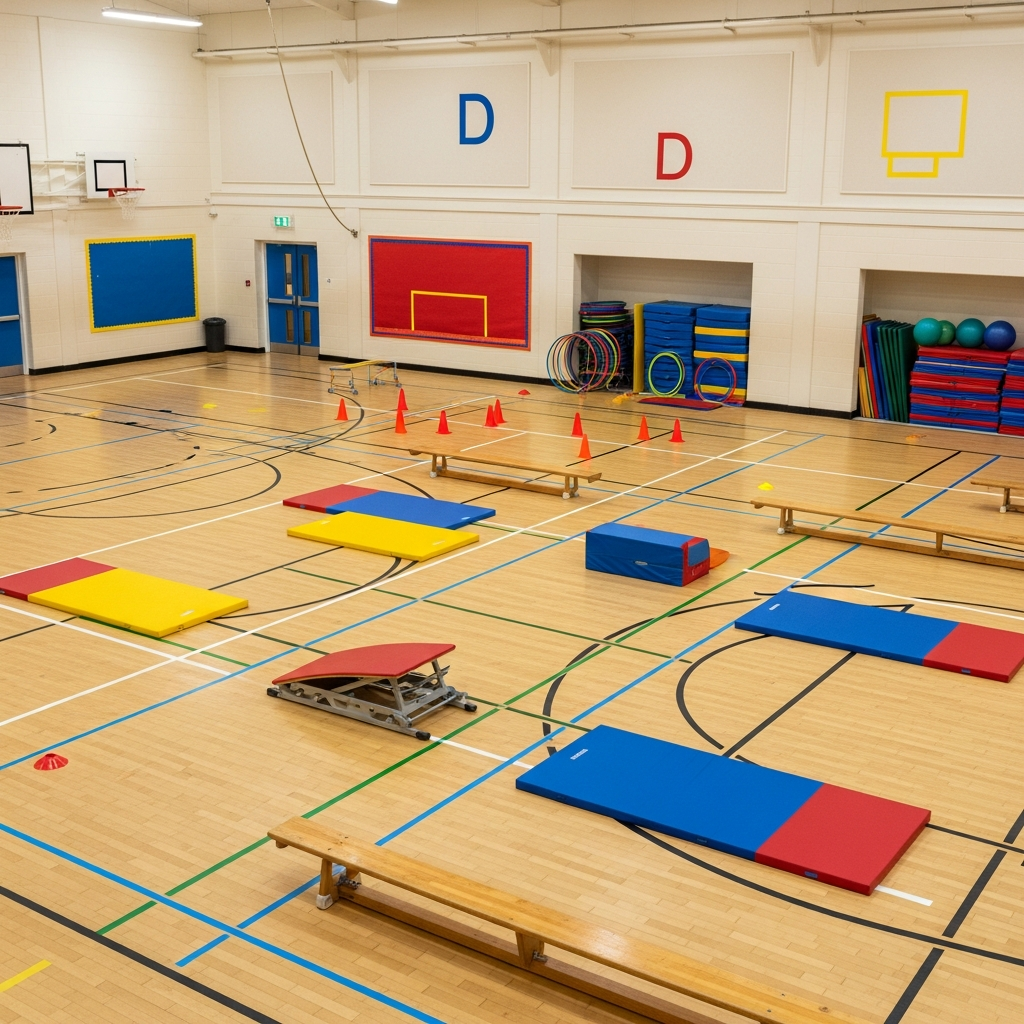
16.1 School‑based after‑school clubs
Pros:
- Convenient – no extra travel.
- Familiar environment for your child.
- Often cheaper than dedicated clubs.
Things to check:
- Who actually runs the club – school staff or an external provider?
- If external, do they have BG‑qualified coaches?
- Does the club follow the school’s safeguarding policy, the provider’s, or both?
- What equipment is used – basic floor work only, or portable apparatus?
16.2 Dedicated gymnastics clubs
Pros:
- Purpose‑built equipment and flooring.
- Clear progression pathways.
- Often more experienced specialist coaches.
Consider:
- Travel time and parking.
- Higher costs.
- Potential pressure towards competition as children get older.
16.3 Moving from school club to dedicated club
If your child loves their school club, you might consider a dedicated club later. When you do:
- Ask the school coach if they can recommend local clubs.
- Look for a club that values enjoyment and all‑round development, not just competition.
- Start with recreational classes and see how your child responds.
17. Helping Your Child Settle In and Thrive
Your support at home can make a big difference to how your child experiences gymnastics.
17.1 Before starting
- Talk about what to expect: warm‑up, taking turns, trying new things.
- Emphasise that it’s okay to be nervous and that the coach is there to help.
- Practise simple things at home if they’re worried (e.g. forward rolls on a soft mat, basic balances).
17.2 During the first few weeks
- Keep goodbyes short and calm if you’re not staying.
- Ask open questions afterwards: “What was the funniest thing today?” rather than “Were you good?”
- Notice and praise effort and courage, not just new skills.
If they’re struggling:
- Speak to the coach early – small adjustments can help a lot.
- Consider a shorter trial period or a different time slot if they’re very tired.
17.3 Supporting healthy attitudes
Help your child to:
- See gymnastics as fun and learning, not a test.
- Understand that everyone learns at different speeds.
- Celebrate others’ successes as well as their own.
Avoid:
- Comparing them to other children.
- Focusing only on badges, levels or medals.
18. Summary: A Calm, Confident Choice
Choosing a gymnastics club for your 5–9 year old in the UK doesn’t need to be overwhelming if you focus on a few core principles:
- Safety and safeguarding first – proper equipment, sensible ratios, DBS‑checked staff, clear policies and a named Welfare Officer.
- Qualified, child‑centred coaches – British Gymnastics qualifications, experience with young children, and a warm, respectful approach.
- Structured, enjoyable sessions – clear routines, progressive skills, and an atmosphere that builds confidence and resilience.
- Transparency on costs and commitments – no surprises on fees, memberships or notice periods.
- Inclusion and communication – willingness to adapt for SEND, listen to concerns and work in partnership with you.
Use the checklists in this guide, trust your instincts, and remember: the right club is the one where your child feels safe, supported and excited to learn, not the one with the flashiest equipment or most medals.
If you’re still unsure, it’s perfectly reasonable to:
- Try a short trial at one or two clubs.
- Talk to other parents about their experiences.
- Take a term off and revisit when your child is ready.
Gymnastics can be a wonderful part of your child’s after‑school life. With careful questions and a clear eye for quality, you can choose a club that supports their body, mind and confidence for years to come.