Girls’ Only Football Teams in the UK: After School Clubs Encouraging More Girls into Sport

Girls’ Only Football Teams in the UK: After School Clubs Encouraging More Girls into Sport
Girls’ football in the UK has grown rapidly, especially since the Lionesses’ success at the Euros and World Cup. Many primary and secondary schools now offer girls’ only football teams and after-school clubs, and community providers are increasingly running girls’ sessions on school sites.
For parents, this is encouraging – but it also raises questions:
- How do you know if a girls’ only football club is safe, well-run and inclusive?
- What qualifications should coaches have?
- How much should you expect to pay, and what are the hidden costs?
- Will your daughter actually enjoy it and feel confident, or be put off sport altogether by a poor experience?
This guide is written specifically for UK parents evaluating girls’ only football after-school clubs. It focuses on quality, safety, value for money and long-term development – not just winning matches.
We will cover:
- How girls’ only football clubs work in UK schools and communities
- Safeguarding, Ofsted and legal responsibilities
- Staff qualifications and what “good coaching” looks like
- Typical UK costs and what’s reasonable
- Confidence, body image and social skills benefits
- SEND inclusion and accessibility
- Borough and regional differences across the UK
- Red flags to watch for
- Practical checklists and key questions to ask on a visit
Whether your daughter is football-mad or just curious, this guide will help you choose a club that genuinely supports her wellbeing and development.
1. Why Girls’ Only Football After-School Clubs Matter
1.1 The current picture in the UK
In recent years, the FA, schools and local authorities have pushed to increase girls’ participation in football. Many primary schools now:
- Run girls’ only after-school football clubs on-site
- Enter girls’ teams into local school leagues
- Partner with local grassroots clubs or professional club foundations (e.g. Arsenal in the Community, Manchester City in the Community) to deliver sessions
Secondary schools often have:
- Girls’ teams for different year groups
- After-school training sessions
- Links with local clubs for talent pathways
However, provision is still uneven:
- Some schools offer excellent, well-structured girls’ football with trained coaches.
- Others offer mixed-gender sessions only, where girls may feel overshadowed or sidelined.
- In some areas, there is no girls’ only provision at all, and parents must look to community clubs.
1.2 Why girls’ only spaces can be important
Many girls enjoy mixed football. But for others, girls’ only teams can be the difference between joining in and opting out.
Girls’ only football can:
- Reduce self-consciousness about ability, body image or fitness
- Remove pressure from more physically developed or confident boys
- Encourage leadership – girls take all the key roles: captain, goalkeeper, striker, set-piece taker
- Create a supportive peer group where trying, learning and making mistakes are normal
- Challenge stereotypes that “football is for boys”
For some girls, especially in Years 4–9, a girls’ only environment is the safest place to build confidence before they consider mixed football (if they ever want to).
1.3 Long-term benefits beyond sport
A good girls’ football club is about far more than learning to pass and shoot. It can support:
- Physical health – cardiovascular fitness, strength, coordination
- Mental health – stress relief, mood, resilience
- Social skills – communication, teamwork, conflict resolution
- Academic benefits – regular physical activity is linked to better concentration and behaviour in class
- Life skills – commitment, time management, dealing with disappointment and success
When evaluating clubs, look for providers who talk about these broader benefits, not just winning trophies.
2. Types of Girls’ Only Football After-School Provision in the UK
2.1 School-run clubs
These are organised directly by the school and may be:
- Led by a teacher with an interest in football
- Led by a PE specialist employed by the school
- Supported by a local club coach coming in weekly
Pros:
- Familiar environment and staff
- Usually lower cost or free
- Easy for children to attend straight after school
Cons:
- Quality can vary depending on staff expertise
- Limited equipment or pitch space
- May stop during exam periods or when staff change
2.2 External providers on school sites
Many schools contract external sports coaching companies or local clubs to run after-school girls’ football.
These may be:
- Grassroots clubs (e.g. local FA-affiliated clubs)
- Professional club foundations (e.g. Chelsea Foundation, Newcastle United Foundation)
- Private coaching companies specialising in school sport
Pros:
- Often more specialist coaching
- Clear pathways into weekend teams and leagues
- May bring better equipment and structured programmes
Cons:
- Usually higher cost than school-run clubs
- Quality varies between providers
- Safeguarding and communication can be less clear if school and provider don’t coordinate well
2.3 Community-based girls’ football clubs
These run outside school hours, often in the evenings or weekends, but some offer after-school sessions and collect children from local schools.
They may:
- Train at local leisure centres, 3G pitches or parks
- Be FA-affiliated grassroots clubs with girls’ sections
- Offer both recreational and competitive teams
Pros:
- Strong football culture and identity
- Clear progression routes and regular matches
- Often good links with county FAs and talent pathways
Cons:
- Travel and logistics can be harder
- May be more performance-focused, which doesn’t suit every child
- Fees and kit costs can be higher
2.4 Holiday camps and taster programmes
Many providers run girls’ only football camps in school holidays or short taster blocks after school.
These can be a good way to:
- Let your daughter try football without a long commitment
- Assess the quality of coaching before signing up long-term
- See how she copes with a more intensive football environment
3. Safeguarding and Ofsted: What Parents Need to Know
3.1 Who is responsible for safeguarding?
In an after-school girls’ football club, safeguarding responsibilities depend on who is running the session and where.
- On school premises, organised by the school: The school’s safeguarding policies apply. The Designated Safeguarding Lead (DSL) remains responsible overall.
- On school premises, run by an external provider: The provider must have its own safeguarding policy and lead, but the school still has a duty of care. There should be a written agreement outlining responsibilities.
- Off-site community club: The club or organisation is responsible. They must follow FA safeguarding standards and, where relevant, Ofsted requirements.
3.2 Ofsted and after-school football clubs
Not all football clubs are Ofsted-registered. Ofsted registration usually applies when:
- The club provides childcare for under 8s for more than 2 hours a day, and
- It is not simply a single-activity sports coaching session, or
- It offers wraparound care (e.g. homework, snacks, multiple activities) as well as sport.
Many pure sports coaching sessions fall under exemptions, particularly for older children. However, good providers will still:
- Follow safer recruitment practices
- Have robust safeguarding and child protection policies
- Train staff in recognising and reporting concerns
If a club claims to be Ofsted-registered, you can:
- Ask for their Ofsted URN
- Check their details on the Ofsted website
3.3 Minimum safeguarding expectations
Regardless of Ofsted status, you should expect:
- A named safeguarding lead for the club or provider
- A clear safeguarding policy, available on request or on their website
- All regular staff and coaches to have an enhanced DBS check
- Staff trained in child protection and whistleblowing
- Clear procedures for reporting concerns
- A code of conduct for staff, volunteers and players
For FA-affiliated clubs, check they follow the FA Safeguarding Children Policy and have a Club Welfare Officer.
3.4 Ratios and supervision
There is no single legal ratio for sports clubs, but good practice in a girls’ football after-school club is typically:
- 1:8–1:12 for primary-aged children
- 1:12–1:16 for secondary-aged children, depending on risk assessment
Factors that should reduce ratios:
- Younger age groups (KS1/early KS2)
- SEND or medical needs
- Complex site layout (e.g. multiple pitches, shared facilities)
Ask how they supervise:
- Toilet trips (especially if toilets are away from the pitch)
- Arrival and collection
- Children who are injured or upset
3.5 Arrival, dismissal and collection
A well-run club will have clear procedures for:
- Registration at the start of each session
- Recording who is collecting each child
- Handling late collections
- What happens if a child is not collected or someone unknown arrives
If the club collects children from classrooms, ask:
- Who collects them?
- How do they ensure no child is left behind?
4. Staff Qualifications and What Good Coaching Looks Like
4.1 Football-specific qualifications
For girls’ only football, look for coaches with:
- FA Introduction to Coaching Football (replaced FA Level 1) as a minimum
- Ideally UEFA C Licence (formerly FA Level 2) or above for lead coaches
- FA Safeguarding Children certificate
- FA First Aid in Football or equivalent emergency first aid qualification
For school-based clubs, some teachers may not have formal FA qualifications but may have:
- PE specialism
- School sport CPD
- Experience running school teams
In that case, ask how they keep up to date with safe practice and inclusive coaching.
4.2 Wider childcare and education qualifications
Particularly for younger children (KS1/early KS2), it is reassuring if at least one staff member has:
- Experience in primary education or early years
- Training in behaviour management and child development
For wraparound-style clubs (e.g. football plus snack and homework), Ofsted may require:
- A Level 3 childcare or playwork qualification for the manager
4.3 What good girls’ football coaching looks like
When you observe a session (or ask your child afterwards), look for:
- Warm, positive atmosphere – girls are encouraged, not shouted at
- Lots of ball contact – small-sided games, not long queues
- Clear, simple instructions appropriate to age
- Progression – activities get slightly more challenging over time
- Inclusive language – no favouritism or dismissive comments
- Opportunities for leadership – captains, warm-up leaders, equipment monitors
Good coaches will:
- Focus on effort and improvement, not just natural talent
- Celebrate small wins – a good pass, a brave tackle, good teamwork
- Rotate positions so girls experience different roles
- Manage more confident players so they don’t dominate
4.4 Red flags in coaching quality
Be cautious if you see or hear about:
- Coaches shouting aggressively or using sarcasm
- Children standing around for long periods
- Favouritism – the same few girls always chosen for key roles
- No warm-up or cool-down
- No adaptation for different abilities
- Coaches ignoring minor injuries or upset children
5. Health, Safety and Risk Management
5.1 Facilities and equipment
A safe girls’ football club will ensure:
- Pitches are well-maintained, free from glass, holes or debris
- Goals are securely anchored (a critical safety issue)
- Balls are the correct size for age group
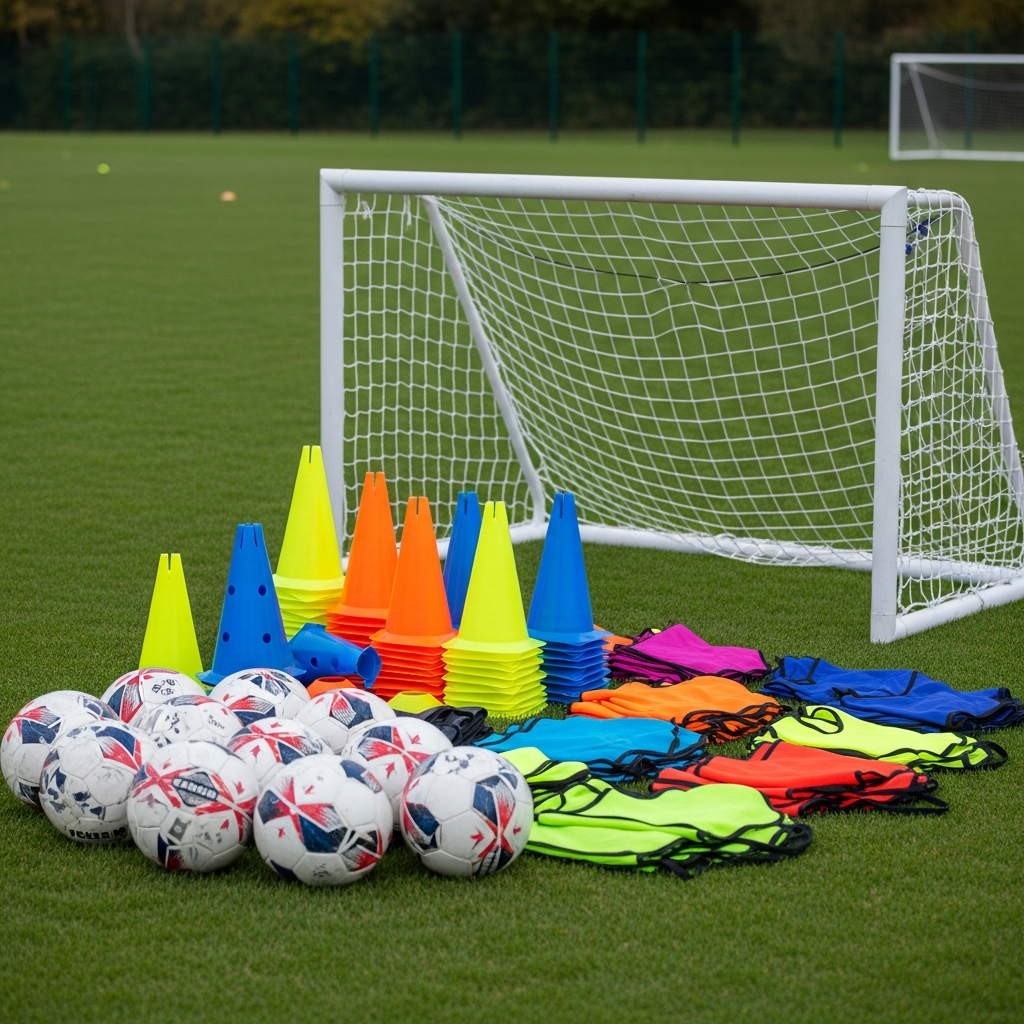
- Bibs and cones are in good condition
If sessions are on artificial turf (3G/4G):
- Surfaces should be even and well-maintained
- Appropriate footwear guidance should be given
5.2 Weather and clothing
Ask how the club manages:
- Cold weather – do they require layers, hats, gloves? Do they shorten sessions if needed?
- Hot weather – shade, extra water breaks, sunscreen reminders
- Rain – when do they cancel or move indoors?
Check the kit expectations:
- Are shin pads compulsory? (They should be for matches and most training)
- Are studs or moulded boots required, or are trainers acceptable?
- Are religious head coverings accommodated safely (e.g. sports hijabs)?
5.3 First aid and emergencies
Every session should have:
- A qualified first aider present
- A well-stocked first aid kit
- Access to a phone for emergencies
Ask:
- How do they record and report injuries?
- How do they manage head injuries and suspected concussion?
- What is their procedure for calling parents or emergency services?
5.4 Medical and allergy information
Good practice includes:
- Collecting medical information and emergency contacts at registration
- Asking about asthma, allergies, epilepsy, diabetes and other conditions
- Clear procedures for inhalers, EpiPens and other medication
If your daughter has a medical condition, ask specifically:
- Where will her medication be kept during sessions?
- Who is trained to use it?
- How will they ensure it is taken to matches or off-site fixtures?
6. Costs, Value for Money and Hidden Fees
6.1 Typical UK cost ranges
Costs vary by region and provider, but as a rough guide for after-school girls’ football clubs:
- School-run clubs: Often free or £2–£4 per session
- External providers on school sites: Typically £4–£8 per session
- Community clubs: May charge termly or annual subs, often equivalent to £3–£7 per session
In London and the South East, expect the higher end of these ranges; in some northern or rural areas, costs may be lower.
6.2 What’s usually included
Fees may cover:
- Coaching and pitch hire
- Basic equipment (balls, bibs, cones)
- Insurance
- Entry into local leagues or festivals (for team-based clubs)
Ask whether the fee includes:
- Match fees
- Training and matches, or training only
- Any end-of-season events or medals
6.3 Hidden or extra costs to watch for
Potential extras include:
- Kit: Match kit, training kit, rain jackets
- Registration fees for leagues or tournaments
- Travel costs to away matches
- Optional extras like photos, tours or residential trips
Before committing, ask for a clear breakdown of:
- Termly or annual costs
- Any compulsory kit purchases
- Payment options (monthly, termly, pay-as-you-go)
6.4 Financial support and discounts
Some clubs offer:
- Sibling discounts
- Reduced fees for pupil premium or low-income families
- Bursaries funded by local councils, charities or club foundations
If cost is a barrier, ask discreetly about:
- Subsidised places
- Payment plans
- Second-hand kit schemes
7. Confidence, Body Image and Social Skills
7.1 Building confidence through football
Girls’ only football can be a powerful confidence-builder, especially for those who:
- Are shy in the classroom
- Worry about making mistakes
- Feel self-conscious about their bodies
Look for clubs where coaches:
- Praise effort, bravery and teamwork
- Normalise mistakes as part of learning
- Encourage girls to try new positions and roles
7.2 Body image and puberty
Years 5–9 are often when girls become more self-conscious about their bodies. Football can help by:
- Focusing on what bodies can do, not how they look
- Normalising sweating, getting muddy and being physically strong
- Providing practical kit guidance that supports comfort and modesty preferences
Ask how the club handles:
- Changing arrangements (especially in mixed-use facilities)
- Periods – do they talk about it openly and supportively?
- Body-shaming or comments about appearance
7.3 Social skills and friendships
A good girls’ football club will:
- Mix girls from different classes or year groups
- Encourage inclusive team selection
- Address cliques and friendship issues proactively
Signs of a positive social environment:
- New players are welcomed and included in games
- Coaches intervene in unkind behaviour
- Team talks include respect and support messages
7.4 Managing competition and pressure
Competition can be healthy, but too much pressure can put girls off sport.
Ask:
- How do they balance fun and competition?
- Do all girls get fair playing time in matches, especially at younger ages?
- How do they handle wins and losses – is there reflection and learning, not blame?
8. SEND Inclusion and Accessibility
8.1 Legal and ethical responsibilities
Under the Equality Act 2010, clubs must make reasonable adjustments to include children with SEND (Special Educational Needs and Disabilities).
This includes:
- Physical disabilities
- Autism and social communication differences
- ADHD
- Learning difficulties
- Sensory needs
8.2 What inclusive practice looks like
An inclusive girls’ football club will:
- Ask about additional needs at registration
- Offer a pre-visit or trial session
- Adapt activities (e.g. smaller groups, clearer instructions)
- Use visual supports or demonstrations
- Allow movement breaks or quiet spaces if needed
Ask:
- Have you supported girls with similar needs before?
- How do you adapt drills or games?
- Can a parent or carer stay initially if needed?
8.3 Physical accessibility
Check:
- Is the pitch accessible from the car park or school entrance?
- Are there accessible toilets nearby?
- Are there safe viewing areas if your child uses a wheelchair or mobility aid?
8.4 Working with schools and EHCPs
If your child has an EHCP (Education, Health and Care Plan) or is on SEN support:
- Share relevant strategies that work in school
- Ask if the club can liaise with the SENCO (with your consent)
Some local authorities and county FAs run disability-specific football sessions as well as inclusive mainstream teams. These can be a good stepping stone or long-term option.
9. Borough and Regional Differences Across the UK
9.1 England: County FAs and school sport partnerships
Provision can vary widely between boroughs and counties. Factors include:
- Strength of the local County FA girls’ programme
- Investment in school sport partnerships
- Availability of 3G pitches and facilities
In some London boroughs (e.g. Hackney, Lambeth, Haringey), there may be multiple girls’ clubs and school leagues. In more rural counties, there may be fewer options and more travel.
9.2 Scotland, Wales and Northern Ireland
Each nation has its own football association and school sport structures:
- Scottish FA, FAW (Football Association of Wales), IFA (Irish FA)
- Different school league systems and funding streams
However, the core principles of safeguarding, inclusion and quality coaching remain the same. Ask clubs which national body they are affiliated to and what standards they follow.
9.3 Local authority and school priorities
Some local authorities prioritise girls’ sport and fund:
- Girls’ football festivals
- Coach education for female coaches
- Targeted programmes in areas of deprivation
Others may have limited budgets, leaving schools and clubs to fill the gap.
If provision is poor in your area, consider:
- Speaking to the school’s PE lead or headteacher
- Contacting your County FA or national FA about local girls’ programmes
- Linking with other parents to demonstrate demand
10. Practical Questions to Ask on a Club Visit
10.1 Safeguarding and welfare
- Who is your safeguarding lead and how can I contact them?
- Are all staff and regular volunteers DBS-checked?
- What training do staff have in safeguarding and first aid?
- How do you manage arrival and collection?
- What is your procedure if a child is upset, injured or wants to stop attending?
10.2 Coaching and programme structure
- What qualifications do your coaches hold?
- How do you group players (by age, ability, year group)?
- What does a typical session look like?
- How do you support girls who are new to football?
- How do you stretch more experienced players without sidelining others?
10.3 Behaviour, bullying and inclusion
- How do you handle unkind behaviour or bullying?
- How do you ensure new girls are welcomed?
- How do you support girls who are shy or anxious?
- What experience do you have with SEND and how do you adapt sessions?
10.4 Communication with parents
- How do you communicate with parents – email, app, WhatsApp, paper letters?
- How do you share fixtures, cancellations and changes?
- How do you give feedback on my child’s progress or any concerns?
10.5 Costs and commitments
- What is the total cost per term or year, including any registration fees?
- Are there any additional costs for kit, matches or tournaments?
- What is your refund or cancellation policy if my child doesn’t settle?
- Do you offer trial sessions?
11. Red Flags: When to Think Twice or Walk Away
11.1 Safeguarding and professionalism concerns
Be cautious if:
- Staff are vague or defensive about DBS checks or safeguarding policies
- There is no clear registration or sign-out process
- Children can wander off unsupervised
- Staff make inappropriate jokes or comments
11.2 Poor organisation and communication
Warning signs include:
- Frequent last-minute cancellations without good reason
- Confusing or inconsistent information about times, locations or kit
- No clear contact person for queries or concerns
11.3 Negative coaching culture
Red flags in the football environment:
- Coaches shouting aggressively or humiliating players
- Overemphasis on winning at all costs
- Some girls never getting picked for matches without explanation
- No effort to include quieter or less confident players
11.4 Safety and facilities
Concerns to take seriously:
- Unsafe pitches (holes, glass, unsecured goals)
- No visible first aid kit or first aider
- No clear plan for extreme weather
If you raise a concern and feel dismissed or not taken seriously, consider whether this is the right environment for your child.
12. Supporting Your Daughter to Start (and Stick With) Football
12.1 Before the first session
- Talk about what to expect – warm-up, games, breaks
- Visit the pitch or venue in advance if she is anxious
- Check she has comfortable clothing, trainers or boots, and a water bottle
- Agree a trial period (e.g. 3–4 weeks) before making a final decision
12.2 After sessions: what to ask
Instead of “Did you win?”, try:
- What was fun today?
- What did you learn or try that was new?
- Who did you work with in your team?
- Was there anything you found tricky?
This shifts focus from performance to enjoyment and learning.
12.3 Handling wobbles and setbacks
It’s normal for children to have ups and downs. Support her by:
- Normalising nerves and mistakes
- Reminding her that everyone starts somewhere
- Talking to the coach if there are specific worries (e.g. friendship issues, feeling left out)
If she wants to quit, explore:
- Is it the sport, the environment, or something else?
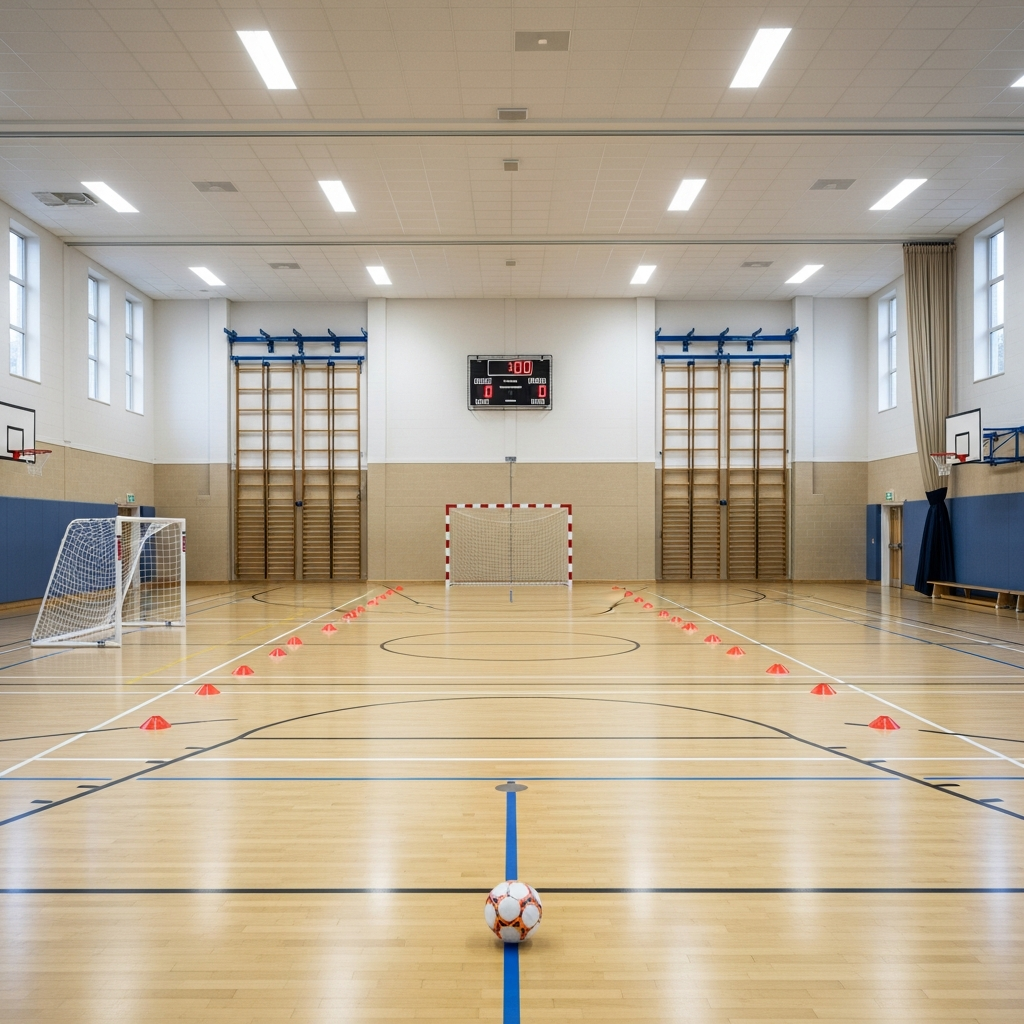
- Would a different club, coach or format (e.g. futsal, skills-only sessions) suit better?
12.4 Balancing football with school and other activities
Check:
- Homework and reading still have time and space
- She has at least one rest day per week
- She’s not over-committed with multiple clubs and activities
Football should enhance her life, not exhaust her.
13. Girls’ Football Pathways: From After-School Club to Beyond
13.1 Recreational vs competitive pathways
After-school clubs can lead to different routes:
- Recreational: Staying in school clubs, casual kickabouts, holiday camps
- Grassroots competitive: Joining a local girls’ team playing in leagues
- Talent pathways: County or regional squads, professional club academies
A good after-school club will support all these routes, not just the most talented.
13.2 Signs your daughter might want more
She may be ready for a club team if she:
- Talks about football constantly
- Practices at home without prompting
- Wants more than one session per week
- Asks about matches and leagues
Ask the coach:
- Do you have links with local girls’ teams?
- Can you recommend a next step if she wants more football?
13.3 Keeping it fun as commitment increases
As training and matches increase, keep checking:
- Is she still enjoying it?
- Does she feel supported, not pressured?
- Is there space for other interests?
Remind her that it’s okay to change level or step back if needed.
14. Practical Checklists for Parents
14.1 Quick pre-enrolment checklist
Before signing up, can you answer yes to most of these?
- I understand who runs the club (school, external provider, community club)
- I know who is responsible for safeguarding and how to contact them
- I’ve asked about DBS checks and staff training
- I know the cost per session/term and any extra fees
- I know what kit my daughter needs
- I’m happy with the arrival and collection arrangements
- I’ve asked how they support new or less confident players
- I’ve asked about SEND support if relevant
14.2 First-session observation checklist (if you can watch)
While watching (even briefly), look for:
- Warm, friendly welcome for children
- Clear register taken
- Safe, well-maintained pitch and equipment
- Coaches using positive, encouraging language
- All girls actively involved, not long queues
- Simple, age-appropriate instructions
- Visible first aid kit and water breaks
- Calm, organised dismissal at the end
14.3 Ongoing review checklist
Every term or so, reflect on:
- My daughter is generally happy to attend
- She feels safe and included
- She is learning and improving at her own pace
- Communication from the club is clear and timely
- Any concerns I’ve raised have been taken seriously
If several of these are “no”, consider discussing with the coach or exploring other options.
15. Case Examples: What This Looks Like in Practice
15.1 Primary school in a London borough
A Year 4 girl joins a girls’ only after-school club run by an external coaching company on the school playground.
Positive signs:
- The coach has FA Introduction to Coaching Football and FA Safeguarding Children
- The school’s DSL has met the coach and agreed safeguarding procedures
- The group is Years 3–6, but activities are adapted for different ages
- New players are paired with a “buddy” for the first few weeks
- The coach emails parents a half-term overview of skills and themes
Areas to question:
- The club introduces a new branded kit that is strongly encouraged but expensive
- Some girls from the same friendship group dominate games
A proactive parent might:
- Ask if there is a second-hand kit option or flexibility on kit
- Talk to the coach about rotating teams and encouraging mixed groups
15.2 Rural community club in the North of England
A Year 7 girl joins a local girls’ grassroots club that trains twice a week and plays Sunday matches.
Positive signs:
- The club is FA-affiliated with a named Club Welfare Officer
- Coaches hold UEFA C Licence and first aid qualifications
- There is a clear code of conduct for players and parents
- The club offers reduced fees for families on low incomes
Challenges:
- Training is a 20-minute drive away
- Winter training is on a floodlit 3G pitch with limited shelter
Parents can support by:
- Arranging lift shares with other families
- Ensuring their daughter has appropriate cold-weather gear
15.3 SEND-inclusive girls’ football in a Midlands town
A Year 5 girl with autism wants to try football but is anxious about noise and new people.
A local provider offers a girls’ only inclusive football session after school in partnership with several primaries.
Good practice includes:
- A pre-visit to see the pitch when it’s quiet
- A visual timetable of the session
- Option for a parent to stay nearby initially
- Smaller group sizes and clear, consistent routines
Over time, the girl builds confidence and later joins a mainstream girls’ team with support from the same coaches.
16. Final Thoughts and Next Steps for Parents
Girls’ only football after-school clubs can be a powerful way to:
- Build your daughter’s confidence and resilience
- Support her physical and mental health
- Give her a supportive peer group and sense of belonging
- Challenge stereotypes about who football is “for”
However, the quality of provision across the UK is highly variable. As a parent, you are right to ask detailed questions about:
- Safeguarding and staff vetting
- Coaching qualifications and approach
- Inclusion, especially for quieter girls and those with SEND
- Costs, hidden fees and value for money
Your role is not to be a “difficult” parent, but a protective, informed advocate for your child.
Practical next steps
-
Map local options
- Ask your child’s school about girls’ only football clubs.
- Check your County FA or national FA website for local girls’ programmes.
- Search for FA-affiliated grassroots clubs with girls’ sections.
-
Shortlist and enquire
- Use the question lists in this guide to email or speak to providers.
- Ask about trial sessions before committing.
-
Observe and review
- Watch at least part of a session if possible.
- Talk regularly with your daughter about how she feels.
- Review each term using the ongoing checklist.
-
Be prepared to move if needed
- If the environment isn’t right, it’s okay to change clubs.
- A different coach, group or format can make a huge difference.
With the right girls’ only football club, your daughter can discover not just a sport, but a lifelong source of joy, friendship and confidence. Your careful questions and observations now can help ensure her first experiences of football are positive, safe and empowering.