Affordable Swimming Lessons Near Me: UK Parents’ Guide to After School Swim Clubs
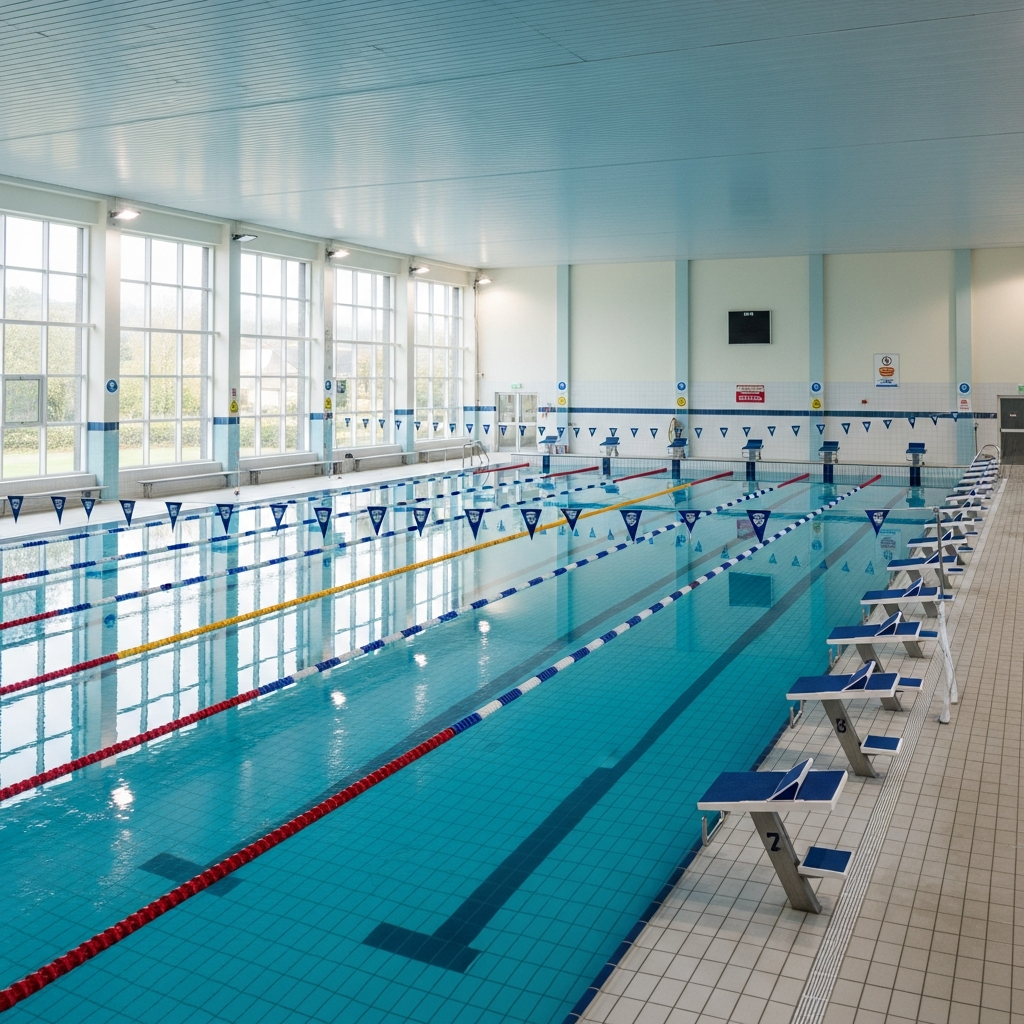
Affordable Swimming Lessons Near Me: UK Parents’ Guide to After School Swim Clubs
Finding affordable swimming lessons near me is a priority for many UK parents. Swimming is not just another after school activity – it is a life‑saving skill, part of the national curriculum, and a brilliant way to build confidence, resilience and social skills.
Yet the choice can feel overwhelming: council pools, private swim schools, school‑run clubs, hotel pools, leisure centres, even lessons in private homes. Prices vary wildly, and it can be hard to tell which providers are genuinely safe, well‑run and good value.
This guide is written specifically for UK parents who want:
- Clear, practical advice on choosing a safe, high‑quality, affordable swim club
- To understand qualifications, safeguarding and Ofsted links
- To avoid poor providers, unqualified staff and hidden costs
- To support their child’s confidence, wellbeing and long‑term development
Use this as a step‑by‑step handbook when researching “affordable swimming lessons near me” and visiting clubs.
1. Why Swimming Lessons Matter So Much in the UK
1.1 A life‑saving skill, not just a hobby
In the UK, we are never far from water – rivers, canals, lakes, the sea, and of course, swimming pools. Drowning remains a leading cause of accidental death in children. Strong swimming skills and water safety knowledge significantly reduce risk.
The English national curriculum expects that by the end of Key Stage 2 (Year 6), children should be able to:
- Swim 25 metres confidently
- Use a range of strokes effectively
- Perform safe self‑rescue in different water‑based situations
In reality, many children leave primary school unable to meet these expectations, especially where school swimming provision is limited or inconsistent. After school swim clubs can plug this gap.
1.2 Benefits beyond safety
Well‑run swimming lessons support:
- Physical health – cardiovascular fitness, strength, coordination
- Mental health – calming, rhythmic movement; stress relief
- Confidence – overcoming fears, achieving visible milestones
- Social skills – taking turns, listening to instructions, encouraging peers
- Resilience – sticking with a skill that can feel challenging at first
For children who are less confident in team sports, swimming can be a more comfortable way to stay active.
2. Types of After School Swimming Lessons in the UK
When you search for “affordable swimming lessons near me”, you’ll usually find several types of provider. Each has pros, cons and different cost implications.
2.1 Local authority / council‑run lessons
Typically based in public leisure centres or council‑managed pools.
Pros:
- Often most affordable option
- Clear policies, risk assessments and safeguarding frameworks
- Usually use Swim England Learn to Swim framework
- Regular timetables and progression pathways
Cons:
- High demand – waiting lists common
- Class sizes can be larger (often 8–12 per group)
- Less flexibility on times and teacher choice
2.2 Private swim schools (independent or chains)
These may operate in leisure centres, school pools, hotel pools or private facilities.
Pros:
- Often smaller group sizes (4–8 per class)
- More flexible timetables, including after school and weekends
- Some offer intensive courses in holidays
- May provide more individual feedback and progress tracking
Cons:
- Usually more expensive than council lessons
- Quality can vary – you must check qualifications and safeguarding carefully
- Some charge extra for badges, admin or late payment
2.3 School‑run after school swim clubs
Some primary and secondary schools run their own after school swimming lessons, either:
- In their own on‑site pool, or
- By transporting pupils to a local pool
Pros:
- Convenient – directly after school, no extra travel
- Children are with familiar staff and peers
- Sometimes subsidised by school or PTA
Cons:
- Limited spaces and levels
- May rely on external instructors – need clarity on who is responsible for safeguarding
- Not all school pools are modern or fully accessible
2.4 Hotel and health club pools
Some hotels and health clubs rent pool time to swim schools.
Pros:
- Often warmer, cleaner‑feeling environments
- Smaller groups, quieter pools
- Good for anxious children or those with sensory needs
Cons:
- Can be among the most expensive options
- Parking or access may be tricky at peak times
- Less likely to be Ofsted‑registered (though that’s not always necessary – see Section 4)
2.5 One‑to‑one or very small group lessons
Available through private instructors or some swim schools.
Pros:
- Rapid progress, especially for nervous swimmers or those with SEND
- Highly tailored teaching
Cons:
- Highest cost per lesson
- Fewer opportunities for social interaction
- You must be extra careful about safeguarding if lessons are in private settings
3. How Much Do Swimming Lessons Cost in the UK?
Prices vary by region, provider type and pool costs. The figures below are typical 2024–2025 ballpark ranges for children’s group lessons (30 minutes) after school.
3.1 Typical price ranges by provider
- Council / leisure centre lessons: £5–£9 per session
- Private swim schools (group): £8–£15 per session
- Hotel / health club pools: £10–£18 per session
- One‑to‑one lessons: £20–£40+ per 30 minutes
Most providers ask you to pay per term or block (e.g. 10–14 weeks) rather than weekly.
3.2 Regional and borough differences
Costs are usually higher in:
- London boroughs (especially inner London)
- Affluent commuter areas in the South East
- Areas with limited pool availability
You may find more affordable options in:
- Council‑run pools in outer boroughs or smaller towns
- Community‑run leisure centres
- School‑based clubs subsidised by local authorities or charities
When comparing prices, always factor in travel costs, parking and your time. A slightly more expensive club closer to home or school may be better value overall.
3.3 Hidden costs to watch for
When you ask for prices, clarify:
- Registration or joining fees
- Annual membership fees (some leisure centres)
- Badge and certificate charges – some charge £3–£5 per award
- Equipment requirements – goggles, swim caps, specific costumes
- Parking charges at the venue
- Cancellation rules – refunds or credits if your child is ill or you move
Ask for the full cost for a term, including any extras, so you can compare providers fairly.
4. Ofsted, Registration and Regulation: What Actually Applies?
Swimming lessons sit in a slightly confusing space when it comes to Ofsted and regulation. Understanding this helps you ask the right questions.
4.1 When are swimming clubs Ofsted‑registered?
Ofsted registration is usually required when a provider offers childcare (not just an activity) for children under 8 for more than 2 hours a day, or as part of wraparound care.
Many after school swimming lessons:
- Run for 30–60 minutes
- Expect a parent or carer to stay on site or be responsible for drop‑off and collection
In these cases, the swim school itself is often not Ofsted‑registered, and that can be perfectly legitimate.
However, Ofsted may be involved if:
- The swimming is part of a school’s Ofsted‑inspected provision
- The club is part of a wider Ofsted‑registered after school club that includes childcare before/after the lesson
4.2 Other frameworks and bodies to look for
Instead of Ofsted registration, focus on:
- Swim England (or Scottish Swimming / Swim Wales) affiliation
- Swim England Learn to Swim programme or equivalent
- STA (Swimming Teachers’ Association) membership
- RLSS UK (Royal Life Saving Society) for lifeguard qualifications
These bodies set standards for teaching, safety and pool operation.
4.3 What this means for parents
Do not dismiss a club just because it is not Ofsted‑registered. Instead:
- Ask which governing body they follow (e.g. Swim England)
- Check insurance, safeguarding policies and staff qualifications (see Sections 5 and 6)
- If the club is part of a school’s wraparound care, ask how it fits into the school’s safeguarding and risk assessment framework
5. Essential Staff Qualifications and Ratios
When you’re comparing “affordable swimming lessons near me”, qualifications and ratios are just as important as price.
5.1 Core teaching qualifications
Look for instructors with at least one of the following (or local equivalents in Scotland/Wales/NI):
- Swim England Level 2 Swimming Teacher (or Level 1 Assistant working under a Level 2)
- STA Level 2 Award/Certificate in Teaching Swimming
Level 2 is the standard for leading a class independently. Level 1 assistants should always be supervised.
5.2 Lifeguard and safety qualifications
There should be dedicated lifeguard cover in addition to the teacher, especially in public pools. Look for:
- NPLQ – National Pool Lifeguard Qualification (RLSS UK)
- Or an equivalent recognised pool lifeguard qualification
Ask:
- “Is there always a qualified lifeguard on duty during lessons?”
- “Is the teacher also the lifeguard, or is there a separate person?” (Separate is safer, especially with younger children.)
5.3 Staff‑to‑child ratios
There is no single legal ratio for all pools, but good practice guidelines are:
- Non‑swimmers / beginners (primary age): 1:6 or better
- Improvers: 1:8
- Advanced / lane swimmers: 1:10 (sometimes 1:12 for older, competent swimmers)
For SEND swimmers or very anxious children, smaller ratios or additional support may be needed.
5.4 Vetting and safer recruitment
All staff working regularly with children should have:
- Enhanced DBS checks (PVG in Scotland, AccessNI in Northern Ireland)
- References and identity checks
- Safeguarding training (see next section)
Ask directly:
- “Do all staff have enhanced DBS checks?”
- “How often are these renewed?”
A reputable provider will answer confidently and clearly.
6. Safeguarding, Changing Rooms and Your Child’s Dignity
Water‑based activities raise specific safeguarding and privacy issues. This is often where poor providers cut corners.
6.1 Safeguarding policies
Ask to see (or at least hear a clear summary of) the club’s:
- Safeguarding and child protection policy
- Code of conduct for staff and volunteers
- Whistleblowing policy
Key questions:
- “Who is your Designated Safeguarding Lead (DSL)?”
- “How would a concern about a member of staff be handled?”
- “How do you ensure safe practice in the pool and changing rooms?”
6.2 Changing room arrangements
This is a major concern for many parents. Clarify:
- Are changing rooms single‑sex, family or village style?
- Are there separate areas for adults and children where possible?
- What is the policy on staff entering changing rooms?
- Are there CCTV cameras in corridors (never in changing areas themselves)?
Good practice includes:
- Clear rules that staff do not change with children
- Staff only enter changing rooms when necessary, ideally in pairs, and after knocking/announcing
- No photography or filming in changing or pool areas, except under strict, pre‑agreed conditions
6.3 Supervision before and after lessons
Ask:
- “From what point are you responsible for my child – at reception, in the changing room, or poolside?”
- “Where should I wait to collect them?”
- “What happens if I’m running late?”
You should receive a clear, written or emailed explanation. Grey areas around handover are a red flag.
7. What a High‑Quality Swimming Lesson Looks Like
When you visit or watch a session, use this as a mental checklist.
7.1 Atmosphere and organisation
Look for:
- Calm but purposeful atmosphere
- Children engaged and mostly in the water, not waiting on the side
- Clear start and finish routines
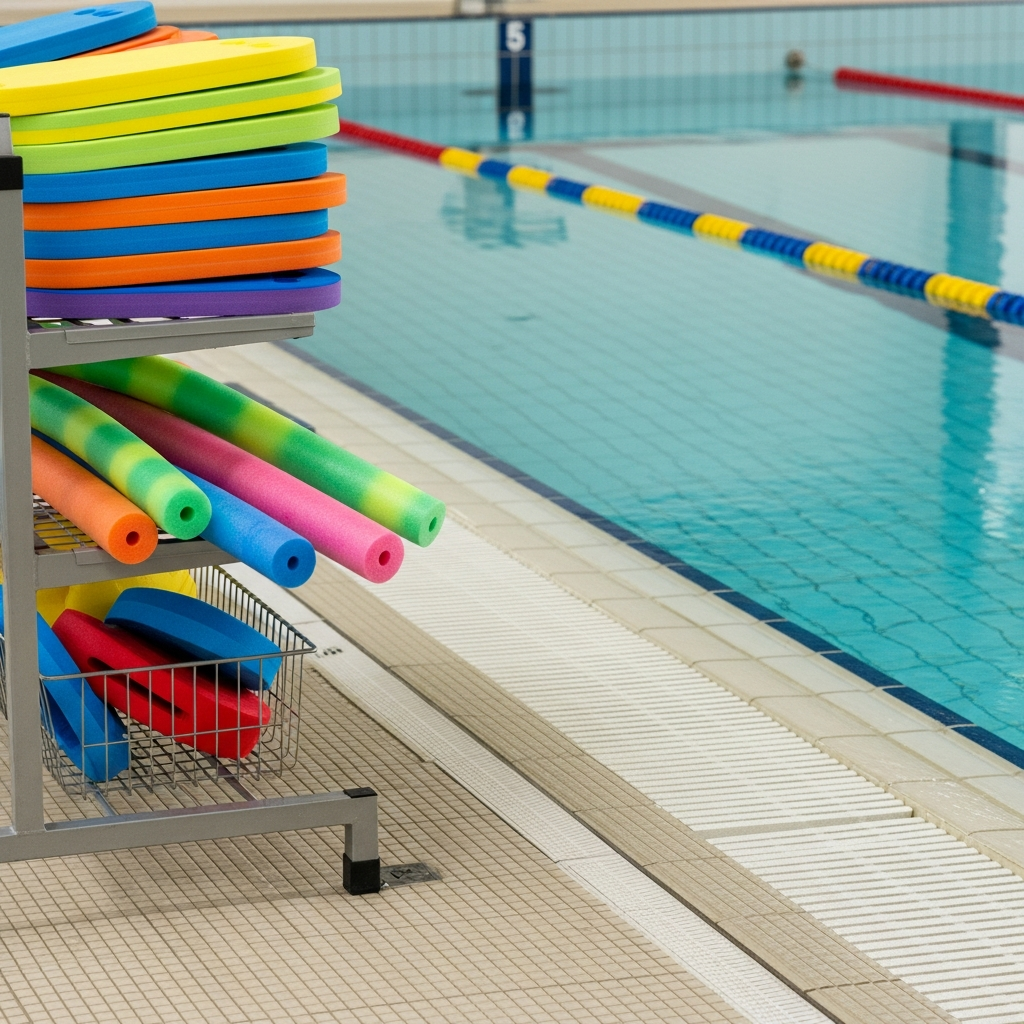
- Equipment (floats, noodles, kickboards) ready and used safely
Avoid providers where sessions look chaotic, with children unsupervised on poolside or in deep water beyond their ability.
7.2 Teaching style
A strong teacher will:
- Give clear, age‑appropriate instructions
- Demonstrate skills (from poolside or in water, depending on policy)
- Offer specific feedback (“Try keeping your face in the water and blowing bubbles”) rather than vague praise
- Use positive reinforcement and encouragement
- Adapt tasks for different abilities within the group
You should see children practising skills repeatedly, not just playing.
7.3 Progression and assessment
Ask how they track progress:
- Do they follow a structured scheme (e.g. Swim England Stages 1–10)?
- How often do they assess and move children between groups?
- How do they communicate progress to parents (reports, app, verbal feedback)?
A good club will be able to explain what your child will learn over a term and how they decide when to move them up.
8. Building Confidence, Not Fear: Supporting Anxious Swimmers
Many children are nervous about water, especially if they’ve had a bad experience or started lessons later.
8.1 Signs of a confidence‑building environment
Look for lessons where:
- Children are never forced into deep water or off the side
- Teachers introduce new challenges gradually
- There is lots of praise for effort, not just achievement
- Games and fun activities are used to build water familiarity (e.g. blowing bubbles, collecting sinkers)
8.2 How you can support your child
- Visit the pool before lessons start so it feels familiar
- Practise simple water play in the bath or shallow pool
- Avoid saying “Don’t be scared” – instead, acknowledge feelings: “It’s normal to feel a bit wobbly when trying something new.”
- Agree a small goal for the first few lessons (e.g. “Today I’ll put my face in the water once”).
8.3 When to consider one‑to‑one lessons
Consider a short block of 1:1 lessons if your child:
- Is extremely anxious or has a phobia of water
- Has additional needs that make group lessons overwhelming
- Has not progressed at all in group lessons despite good attendance
You can then transition back into group lessons once confidence improves.
9. SEND Inclusion and Accessibility in Swim Clubs
Children with special educational needs and disabilities (SEND) should have access to swimming and water safety, but provision varies widely.
9.1 Questions to ask about SEND provision
- “Do you have experience teaching children with [your child’s specific need]?”
- “Can we arrange a pre‑visit so my child can see the pool when it’s quiet?”
- “Are there quieter times or smaller groups available?”
- “Can a parent or carer join the lesson in the water if needed?”
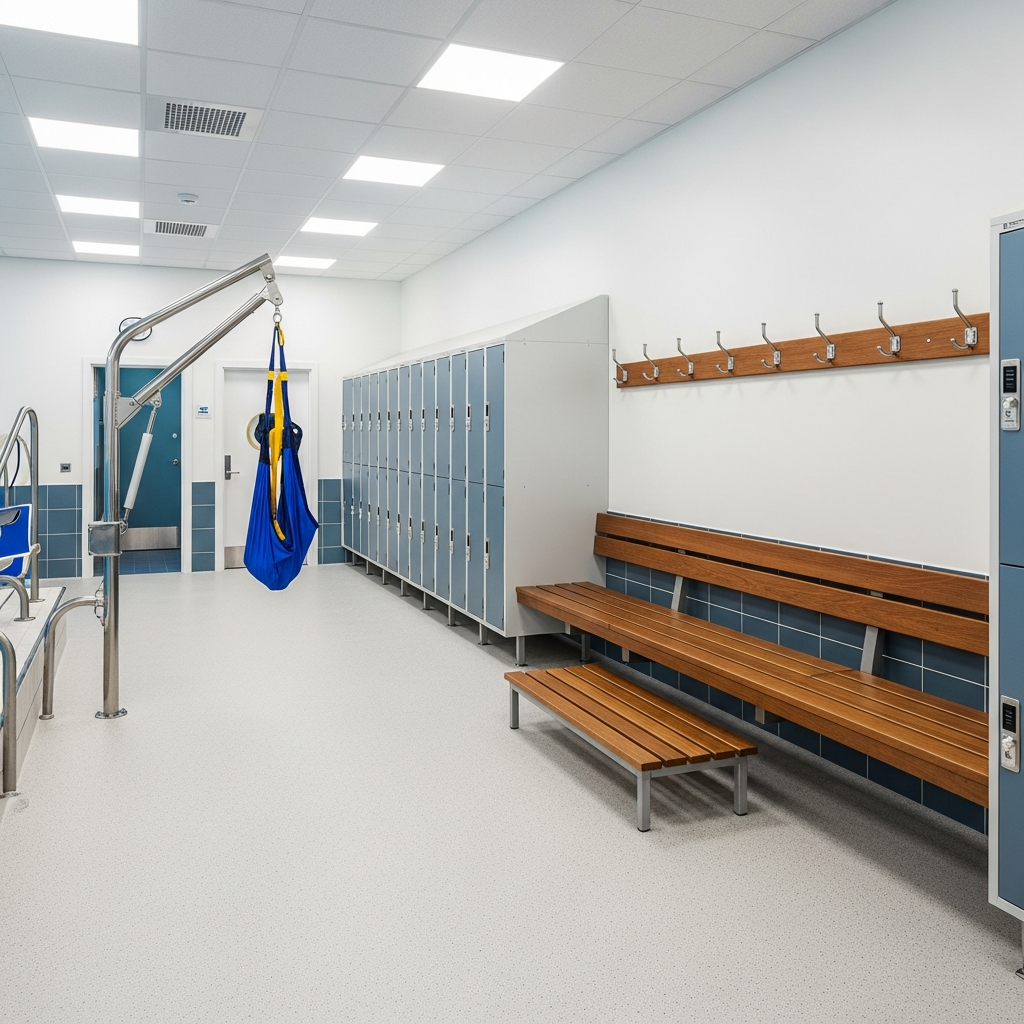
- “Do you have hoists, ramps or accessible changing for physical disabilities?”
9.2 Reasonable adjustments
Under the Equality Act 2010, providers must make reasonable adjustments to avoid disadvantaging disabled children. This might include:
- Allowing a support worker or parent in the water
- Providing visual timetables or social stories
- Offering ear defenders or quieter sessions for sensory needs
- Adjusting teaching methods and expectations
9.3 Funding and support
In some areas, local authorities or charities offer:
- Subsidised lessons for disabled children
- Specialist disability swim clubs
- Short breaks funding that can be used for activities like swimming
Check your local council’s Local Offer website for SEND‑specific swimming opportunities.
10. Practicalities: Timings, Travel and Fitting Around Family Life
Even the best swim club won’t work if it clashes with your family’s routine.
10.1 After school timing realities
Consider:
- How long it takes to travel from school to the pool in rush hour
- Whether your child will be too tired or hungry after a full school day
- If siblings need collecting from other clubs at the same time
Many families find:
- One weekday after school plus a weekend session works best, or
- A slightly later slot (e.g. 5:30–6pm) allows time for a snack and calm transition
10.2 Food, homework and sleep
To keep things manageable:
- Pack a substantial snack for after school (sandwich, fruit, yoghurt)
- Do homework on non‑swim days, or in a quiet corner of the leisure centre if you have siblings waiting
- Protect bedtime – avoid very late lessons for primary‑aged children
10.3 Travel and safety
Factor in:
- Parking availability and cost
- Whether older children can walk or bus there safely
- How you’ll manage younger siblings during lessons (buggy, toys, books)
Sometimes a slightly more expensive club that is walkable from school is better value than a cheaper one that requires a long drive.
11. Red Flags: When to Avoid or Leave a Swim Club
Most providers are well‑intentioned, but some fall below acceptable standards. Trust your instincts and look out for these warning signs.
11.1 Safety and supervision red flags
- No visible lifeguard on duty
- Children left unsupervised on poolside
- Overcrowded classes with children clearly beyond the teacher’s control
- Deep water used with weak swimmers without appropriate flotation aids
- Emergency exits blocked or unclear
11.2 Safeguarding and professionalism red flags
- Vague or defensive answers to questions about DBS checks or safeguarding
- No named safeguarding lead
- Staff using inappropriate language, shouting or humiliating children
- No clear collection procedures – children wandering out of the pool area alone
11.3 Communication and organisation red flags
- Last‑minute cancellations with no explanation or refund
- No written information about terms, conditions and fees
- Difficulty contacting the provider or getting responses to emails
- Frequent teacher changes with no notice or explanation
If you see multiple red flags, consider withdrawing your child and reporting serious concerns to the pool operator, local authority or relevant governing body.
12. What to Ask on a Club Visit: A Parent’s Question List
When you’ve shortlisted a few “affordable swimming lessons near me”, arrange to visit or observe a session. Use these questions to guide your conversation.
12.1 Safety and staffing
- Who will be teaching my child, and what are their qualifications?
- Is there always a qualified lifeguard on duty during lessons?
- What are your teacher‑to‑child ratios for my child’s age and level?
- Do all staff have enhanced DBS checks?
12.2 Safeguarding and changing
- Can I see your safeguarding policy or a summary of it?
- How do you manage changing rooms for children?
- From when are you responsible for my child, and where do I collect them?
- What is your policy on photography and filming?
12.3 Lesson content and progression
- Which swimming programme do you follow (e.g. Swim England Stages)?
- How do you assess children and move them between groups?
- How will you communicate progress to me?
- How do you support children who are anxious or struggling?
12.4 Practicalities and costs
- What is the total cost per term, including any extras (badges, registration, parking)?
- What happens if we miss a lesson due to illness or holiday?
- Is there a waiting list, and how do you manage it?
- Are there any discounts for siblings or low‑income families?
12.5 SEND and individual needs
- Do you have experience with children with [your child’s need]?
- What reasonable adjustments can you offer?
- Can we arrange a trial session or pre‑visit?
Take notes during your visit so you can compare providers later.
13. Comparing Value: Cheap vs Good Value vs Overpriced
Affordability is not just about the lowest price per lesson. It’s about what you get for your money.
13.1 Signs of good value
- Qualified, experienced teachers and lifeguards
- Sensible ratios and safe supervision
- Clear progression pathway and regular feedback
- Well‑maintained pool and facilities
- Transparent pricing with minimal hidden extras
13.2 When “cheap” may be too cheap
Be cautious if:
- Prices are significantly lower than other local providers
- There is little evidence of formal qualifications
- Safeguarding and policies seem vague or informal
Saving a few pounds per week is not worth compromising on safety or quality.
13.3 When higher prices might be justified
Higher fees may be reasonable if the club offers:
- Very small groups or 1:1 teaching
- Specialist SEND provision
- Warm, high‑quality facilities with excellent accessibility
- Highly experienced or specialist coaches (e.g. for competitive squads)
Always ask yourself: “Is my child progressing, safe and happy here?” If yes, and the cost is sustainable, it’s likely good value.
14. Borough and Local Differences: What UK Parents Commonly Face
Parents’ experiences vary widely between UK regions and even between neighbouring boroughs.
14.1 London and major cities
Common issues:
- High demand and long waiting lists for council lessons
- Higher prices, especially in central boroughs
- Limited pool space – some pools shared with schools and clubs
Strategies:
- Join waiting lists early and for multiple pools
- Consider early evening or weekend slots which may be less oversubscribed
- Look slightly outside your borough if travel is manageable
14.2 Smaller towns and rural areas
Common issues:
- Fewer pools, sometimes only one local option
- Limited choice of providers and times
Strategies:
- Check for school‑based or community‑run pools
- Consider intensive holiday courses if weekly lessons are hard to access
- Coordinate with other parents to car share if the nearest pool is further away
14.3 Deprived areas and cost pressures
In some areas, families face real financial barriers to swimming lessons.
Options to explore:
- Council concessions or reduced rates for low‑income families
- Charity‑funded or subsidised lessons (e.g. via local sports partnerships)
- School‑organised swimming as part of PE premium spending
Ask your child’s school and local council what support is available.
15. Practical Checklists for Parents
Use these checklists when researching and visiting clubs.
15.1 Pre‑search checklist
Before you start Googling “affordable swimming lessons near me”, clarify:
- My child’s age and current swimming ability
- Preferred days and times
- Maximum travel time from home or school
- Monthly budget for lessons
- Any SEND or health needs to share with providers
15.2 Provider comparison checklist
For each club, note:
- Price per lesson and total term cost
- Group size and teacher‑to‑child ratio
- Teacher and lifeguard qualifications
- Safeguarding policy and DBS checks
- Changing room arrangements and collection procedures
- Progress tracking and communication with parents
- Flexibility on missed lessons and cancellations
15.3 First lesson checklist
On the day of the first lesson, ensure your child has:
- Well‑fitting swimsuit or trunks (no long shorts)
- Towel and, if required, swim cap
- Goggles (if allowed by the club)
- Hair tied back if long
- Any necessary medication (e.g. inhaler), with staff informed
- A light snack beforehand and water to drink
Arrive 10–15 minutes early so there is no rush.
16. Supporting Long‑Term Development: Beyond Basic Water Safety
Once your child can swim 25 metres, it can be tempting to stop lessons. But there are strong reasons to continue.
16.1 Developing strong technique
Continuing lessons helps children:
- Refine stroke technique (front crawl, backstroke, breaststroke, butterfly)
- Build endurance and speed
- Learn starts, turns and dives safely
Good technique reduces the risk of injury and makes swimming more enjoyable.
16.2 Pathways into clubs and competition
Many children enjoy progressing into:
- Local swimming clubs with squad training
- School swim teams
- Water polo, synchronised swimming or lifesaving clubs
These offer:
- Strong peer relationships
- Goal‑setting and discipline
- Opportunities to represent school or club at events
16.3 Lifelong health and wellbeing
Swimming is one of the few sports many people can continue into later life, including during pregnancy, after injury or with joint issues. Building a positive relationship with water in childhood sets up healthy habits for decades.
17. Frequently Asked Questions from UK Parents
17.1 What age should my child start swimming lessons?
Many UK pools offer parent‑and‑baby sessions from a few months old, but formal independent lessons often start around age 3–4, depending on the child’s readiness and the provider’s policy.
If your child is older and has not started yet, it is never too late. Older beginners often progress quickly with the right support.
17.2 How long will it take my child to learn to swim?
It varies widely. Factors include:
- Age and confidence
- Frequency of lessons (weekly vs intensive courses)
- Additional practice (family swims)
A rough guide: many children need at least a year of weekly lessons to become confident 25m swimmers, sometimes longer.
17.3 Should I stay and watch the lesson?
Policies differ. Some pools encourage parents to watch from a viewing gallery; others find children concentrate better if parents wait elsewhere.
For younger or anxious children, being able to see you nearby can be reassuring. Over time, many children become more independent if you step back.
17.4 What if my child refuses to get in the pool?
Speak to the teacher before the lesson. A good instructor will:
- Invite your child to sit on the side and watch
- Encourage small steps (e.g. feet in the water)
- Avoid forcing or shaming
If this happens repeatedly, consider a short break, a different teacher, or a 1:1 block to rebuild confidence.
18. Summary and Next Steps for Parents
Choosing affordable swimming lessons near me is about far more than finding the cheapest price. The right after school swim club will offer:
- Qualified, caring staff with strong safeguarding practice
- A safe, well‑managed pool environment
- Clear progression and communication with parents
- A focus on confidence, enjoyment and life‑saving skills
- Reasonable, transparent costs that fit your family budget
Your next steps:
- Use the pre‑search checklist to clarify your priorities.
- Shortlist 2–4 local providers – council pools, private schools, school‑run clubs.
- Arrange to visit or observe a session and ask the questions in Section 12.
- Compare not just price, but safety, quality, atmosphere and fit for your child.
- Start with a trial block or term, then review how your child is progressing and feeling.
With the right information and a structured approach, you can find a swim club that is safe, affordable and genuinely enriching for your child’s development – now and for the long term.